Mice in the house: getting them out and keeping them out

A house mouse needs a gap of only 6 mm to get in, about the thickness of a pencil. On the South Shore, mice arrive mostly between September and November, when the fields around Saint-Hubert, Sainte-Julie or Varennes are cleared at harvest and the nights get cold. Setting traps handles the season; sealing the entry points handles the problem.
Identifying a mouse, and telling it from look-alikes
The house mouse measures 65 to 95 mm without the tail, which is almost as long as the body. Its fur is grey-brown, a little paler on the belly. Near woods and fields you will also find the deer mouse, with a sharply white belly, large eyes and large ears. It mostly gets into garages, sheds and cottages.
Three animals are often mistaken for it:
- a young rat, whose head and feet are too big for its body (see the rats page);
- a shrew, with a pointed snout and tiny eyes, which eats insects rather than grain;
- a vole, stocky with a short tail, which mostly stays outdoors.
Signs of mice
From the quietest to the most obvious:
- scratching at night inside a wall, a ceiling or behind a baseboard;
- small black droppings, 3 to 6 mm, along walls, in cupboards or the garage;
- chewed packages of cereal, birdseed or pet food;
- nests of shredded insulation, paper or fabric;
- a lingering smell of urine in a closed room;
- greasy rub marks at the base of walls, always along the same routes.
In a finished basement, common in Saint-Hubert and Brossard bungalows, mice travel behind the drywall. You hear them before you see them, and droppings first show up in the mechanical room or under the stairs.
Why not wait until spring
A mouse can have her first litter at about six weeks old, after a gestation of roughly three weeks, and a litter is often five or six young. Two mice that got in in October can become a real colony before winter is over.
The risks are concrete:
- contaminated food from urine and droppings, especially in the pantry;
- chewed electrical wires inside walls, attics and vehicles stored in the garage;
- soiled, compressed insulation that loses its effectiveness;
- the deer mouse, which can carry hantavirus. Cases are rare in Quebec, but it is the reason droppings are never swept up dry.
How treatment works
Effective treatment runs in the opposite order from what most people would do: it starts outside.
- Inspecting the building envelope. Foundations, water, gas and cable entries, the bottom of garage doors, the joint between siding and foundation, dryer vents. The goal is to find every gap of 6 mm or more, and the signs of traffic.
- Identification. House mouse or deer mouse, mouse or young rat: the method and the precautions change.
- Exclusion. Gaps are sealed with materials mice cannot chew: metal mesh, copper or steel wool combined with sealant, proper weatherstripping and door sweeps. Spray foam alone does not hold.
- Reducing the indoor population. Snap traps along active runways and, where necessary, locked bait stations placed out of reach of children and pets.
- Follow-up. One or two visits to check traps, confirm the sealed gaps are holding and catch a missed entry point.
- Prevention. The habits that stop mice from returning next fall, further down this page.
What it costs on the South Shore
Ranges published for Greater Montreal put a residential mouse job at $250–$695, and a program of two or three visits at $371–$901. What moves the price: the number of gaps to seal, access to the foundation, whether the basement is finished and the number of visits. Details and sources are on the pest control pricing page.
A serious quote says whether sealing is included. A low price that only covers traps often ends up the most expensive, because the job has to be repeated the next fall.
The CD5 certificate and rodenticides
A rodenticide is a pesticide. In Quebec, anyone who performs or offers to perform pest control work with pesticides must hold a CD5 certificate from the Ministry of the Environment, valid for five years. Before a bait station goes into your home, you can ask to see that certificate, and ask where each station goes and which product is in it.
Stations must be locked and labelled. If you have a dog, a cat or young children, say so before the visit: it is often the reason to use snap traps indoors instead.
Keeping mice out
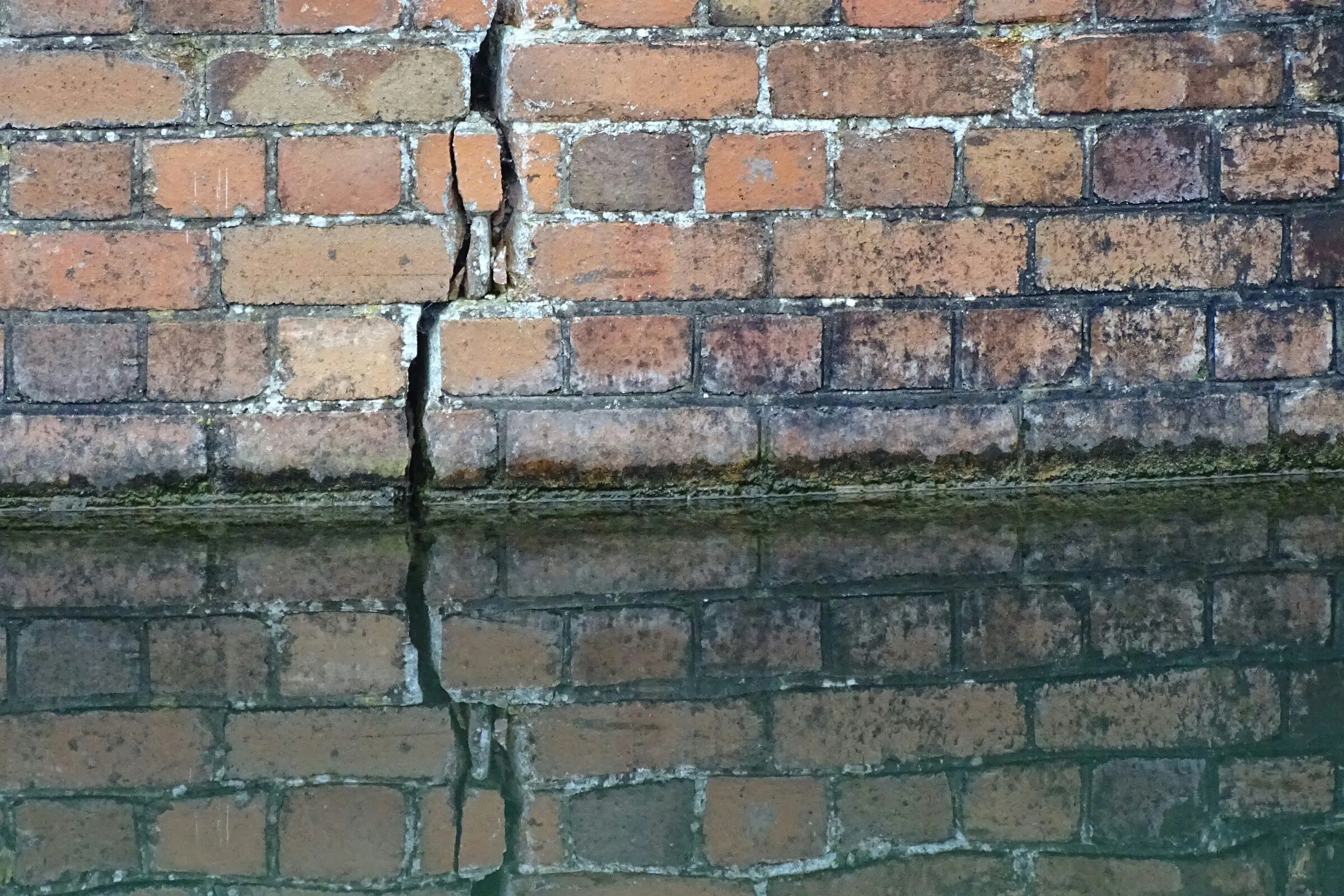
- Seal up before the end of September, before the fields are cleared: foundations, utility entries, the bottom of the garage door.
- Keep firewood away from the house and off the ground.
- Store birdseed and pet food in metal or hard plastic containers, never in the bag.
- Take down the bird feeder if seed falls at the foot of the foundation.
- Cut back vegetation touching the house, which hides runways.
- Close garbage bins and the composter: a lid that stays on matters more than you might think.
In an apartment building or a business, mice move between units through shared walls: see the commercial section. If rodents are chewing near the electrical panel, read what to do in an emergency first.
Frequently asked questions
I saw one mouse. Is that already an infestation?
Rarely just one. Mice are mostly nocturnal: seeing one during the day, or finding droppings in several places, usually means several animals. A female can have her first litter at about six weeks old, and a litter is often five or six young.
Why do mice come back every fall?
Because the entry points were never sealed. Around towns surrounded by fields, like Sainte-Julie, Varennes or the Saint-Luc sector, harvest removes the mice's cover just as the nights turn cold. As long as a 6 mm gap stays open in the foundation or around a utility line, the same house gets picked the next year.
Are traps enough, or is poison needed?
Well-placed snap traps often handle a small presence. Rodenticides are mostly used when activity is heavy or hard to reach, and they must go in locked bait stations out of reach of children and pets. Without sealing the entry points, neither method solves the problem for good.
Do ultrasonic repellers work?
The available studies show no lasting effect: mice get used to the sound quickly, and ultrasound does not pass through walls or furniture. That budget is better spent sealing the foundation and utility entries.
How do I clean up mouse droppings safely?
Do not sweep or vacuum them dry, which puts particles in the air. Wear gloves, wet the droppings and nests with a disinfectant solution, wait a few minutes, then pick everything up with paper towels and throw it out in a sealed bag. This matters most with deer mice, which can carry hantavirus, a rare disease in Quebec.
There's a dead smell coming from the wall. What now?
A dead mouse inside a wall usually dries out within one to three weeks, and the smell goes with it. If the smell is strong and localized, opening a small section of drywall is sometimes simpler than waiting. It is one reason traps are preferred over bait when mice travel inside the walls.
Is a cat enough?
A cat catches mice, but it seals no entry point and cannot reach the ones inside the walls or behind a finished basement. Pet food left out often attracts mice, too. It helps, but it is not a solution.
In a rental, who pays for mouse control?
In Quebec, the landlord must keep the dwelling in good habitable condition, and the tenant must notify the landlord promptly of a problem. In most cases the landlord arranges treatment, especially when mice come in through the foundation or shared walls. If there is a disagreement, the Tribunal administratif du logement can be involved.
This pest in commercial settings
- Pest control for apartment buildings on the South Shore
- Pest control for daycares, CPEs and schools
- Pest control for grocery stores and food processing
- Pest control for hotels and tourist lodging
- Pest control for offices and retail stores
- Pest control for restaurants and bars on the South Shore
- Pest control for private seniors' residences
- Pest control for warehouses and industrial buildings
Where this pest is most common
Towns in the territory where this pest puts the most pressure, based on each town’s housing and surroundings.
High pressure
Moderate pressure
Next steps
Updated