Pest control for grocery stores and food processing
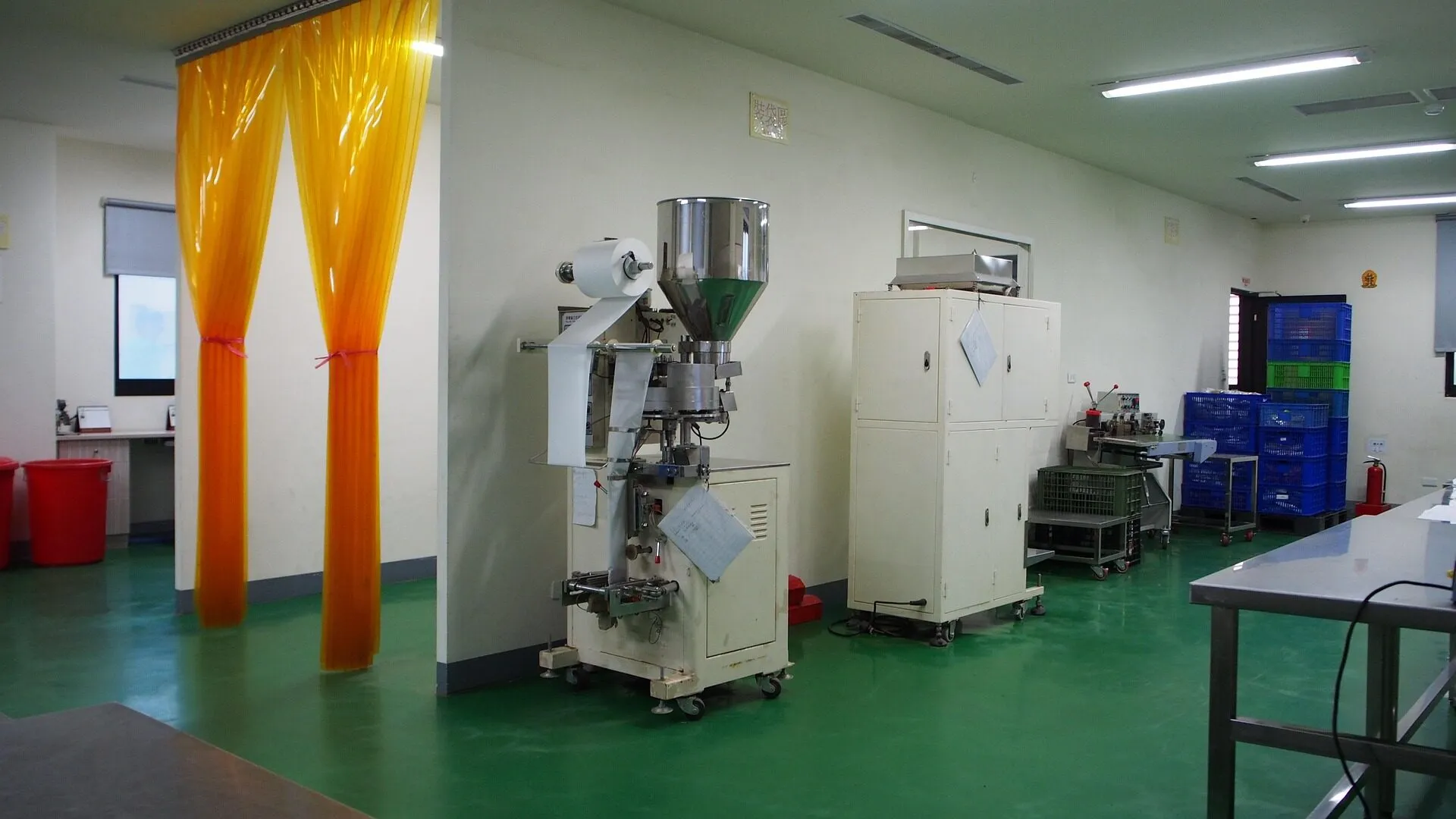
For a grocery store or food processing plant, pest control is not a service you call when something goes wrong: it is a written, audited program that is part of food safety. The Safe Food for Canadians Regulations require many businesses to have a preventive control plan that includes pest control, and MAPAQ requires premises free of pests. An auditor does not ask “have you had mice”, but “show me your trends”.
The pests that matter
Pantry moths and carpet beetles. Flour, grains, nuts, dry goods: these insects often arrive with raw materials and settle into residue inside equipment.
Rats and mice. Around receiving docks, containers and raw material storage. See the pages on rats and mice.
Flies. Near garbage areas, drains and loading doors left open.
What an auditor looks at
- The written program: objectives, responsibilities, visit frequency, rationale.
- The device map: every station, trap and light trap numbered and located.
- Trends: activity per station over successive visits, and the action taken when it rises.
- Products: list, safety data sheets, where they were applied.
- Corrections: the provider’s recommendations and proof they were carried out.
The principles of a solid program
- Exclusion first: dock doors that close properly, seals, screens, sealing gaps.
- Monitoring: a network of traps and stations that measures activity continuously.
- Mechanical trapping inside production areas, locked stations outside.
- Sanitation: cleaning residue from equipment, stock rotation, waste management.
- Inspection at receiving for sensitive raw materials.
What to require from a provider
- reports that work for your audits, with trends per station;
- availability for audit visits or unannounced inspections;
- familiarity with your certification standard and its requirements;
- the CD5 certificate of every technician, and the list of products used.
Preventive program or one-time treatment
For a food plant, one-time treatments alone are not a realistic option: without a documented program, an audit fails even when no pests are visible. For a small grocery store, a lighter program with regular visits and a log meets the requirement for pest-free premises and prepares you for an inspection. For a convenience store or bakery, see the page on offices and retail instead.
For a warehouse where food is stored, see also the page on warehouses and industrial buildings. Observed ranges are on the page about treatment costs.
Regulatory framework
The Safe Food for Canadians Regulations (CFIA) require many food businesses to have a written preventive control plan that includes pest control. In Quebec, MAPAQ's Regulation respecting food requires premises free of insects, rodents and their excrement. GFSI-recognized certification standards also require a documented program.
What an inspector expects to see
- Written pest management program, integrated into the preventive control plan
- Map of numbered stations, traps and light traps
- Visit reports showing activity trends per station
- Record of products applied and safety data sheets
- Corrective actions and verification that they worked
Priority pests in this type of facility
Frequently asked questions
What does an auditor want to see in a pest management program?
A written program, a map of numbered devices, regular reports showing activity per station and how it changes over time, the list of products used with their data sheets, and proof that recommended corrections were made. Missing trend data is a common weak spot.
Do pantry moths come in with raw materials?
Often. Flour, grains, nuts and pet food can arrive already infested. Inspection at receiving, stock rotation and cleaning residue out of equipment matter as much as treatment.
Can rodenticides be used in a production area?
Toxic baits are generally avoided inside production areas, because a rodent can carry bait away or die somewhere inaccessible. Mechanical trapping is preferred indoors and locked stations outside. Your certification standard may set its own requirements.
How often should visits happen?
It depends on risk, the certification standard and your customers' requirements. Food plants often have at least monthly visits, sometimes more often in high-risk areas. The frequency must be justified in the written program.
Does a grocery store have the same obligations as a plant?
A grocery store falls under MAPAQ's Regulation respecting food, which requires premises free of pests. CFIA preventive control plan requirements mainly target certain manufacturing, import or interprovincial trade activities. Check your situation with the relevant authorities.
Official sources
The legal texts and government pages cited on this page. Always check them for the current version.
Updated