Pest control for private seniors' residences
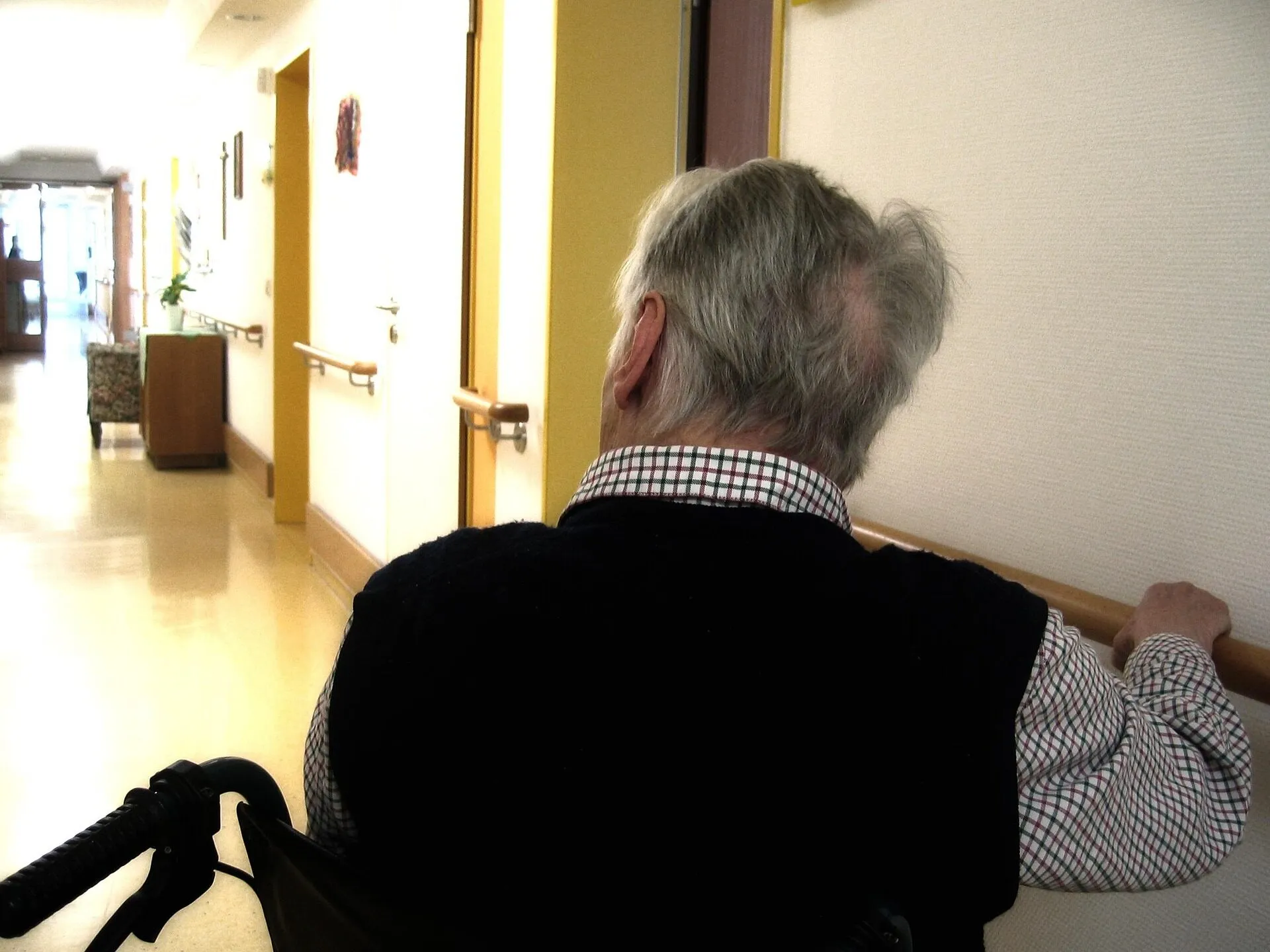
In a seniors’ residence, a pest problem affects people who are more vulnerable, often less mobile, and who live on site full-time. The operator must keep the residence clean and, when bed bugs appear, act diligently to stop them from spreading. The challenge is practical: treating effectively without upending the lives of residents who cannot always prepare their own units.
The pests that matter
Bed bugs. The main issue in residences. They come in with a new resident, a piece of furniture or a visitor, then reach neighbouring units through hallways and shared walls. See the page on bed bugs.
Mice. Around kitchens, dining rooms and units where food is kept. See the page on mice.
Cockroaches. In shared kitchens and units with kitchenettes. See the page on cockroaches.
What makes treatment different
Preparation. The usual checklist (empty drawers, wash bedding at high temperature, bag belongings) is a heavy load for a resident losing autonomy. It has to be handled by staff or family, and planned.
Moving the resident. Some methods require leaving the unit for a few hours, others for a day. The choice of method must take that into account, and the resident should wait in a space that is not at risk of contamination.
Health. In an older person, skin lesions can have other causes. The inspection confirms an infestation, and the care team assesses the person.
What to require from a provider
- Inspection of adjacent units, not just the unit reported.
- A preparation plan adapted to residents, spelling out what staff must do.
- The time before the resident can return, in writing.
- Discreet visits, coordinated with management to limit residents’ worry.
- The CD5 certificate of the technicians and reports for each unit.
Preventive program or one-time treatment
A one-time treatment answers a report. A preventive program adds training for housekeeping staff, regular inspections of a sample of units and a furniture check whenever a new resident moves in. In a residence, where a floor-wide infestation is especially hard to manage, prevention is almost always cheaper.
General housing obligations are summarized in the frequently asked questions. For a residence that serves meals, see also the page on restaurants. See the typical price ranges as well.
Regulatory framework
Quebec's Regulation respecting the certification of private seniors' residences requires the operator to keep the residence clean and to comply with municipal hygiene and sanitation standards. When bed bugs are found, the operator must act diligently to prevent them from spreading; Santé Montérégie publishes a fact sheet on roles and responsibilities during an infestation in a residence.
What an inspector expects to see
- Log of reports (residents, families, staff)
- Inspection reports per unit, including adjacent units
- Written instructions given to residents and staff
- Follow-up reports and the date activity ended
Priority pests in this type of facility
Frequently asked questions
A resident has bites. Does that mean bed bugs?
Not necessarily. In an older person, skin lesions can have several causes, and a health assessment is needed too. For bed bugs, only an inspection that finds insects, shed skins or characteristic stains confirms an infestation.
How do you treat a unit when the resident has limited mobility?
The usual preparation (emptying, washing, bagging) is hard for a resident losing autonomy. Staff and family need to be involved, and the chosen method has to account for how long the resident must leave the unit. Get those details in writing.
Can visitors and families bring bed bugs in?
Yes, as can new residents, furniture and bags. Checking upholstered furniture when a new resident moves in and informing families reduces reintroductions.
Should other residents be told?
Informing residents and families in affected and adjacent units is necessary for preparation and follow-up. How it is done should respect people's dignity: the aim is cooperation, not stigma.
Is a preventive program useful in a residence?
Yes. Regular inspections of a sample of units and training for housekeeping staff catch an infestation early, while it affects a single unit, rather than once a whole floor is involved.
Official sources
The legal texts and government pages cited on this page. Always check them for the current version.
Updated