Pest control for restaurants and bars on the South Shore
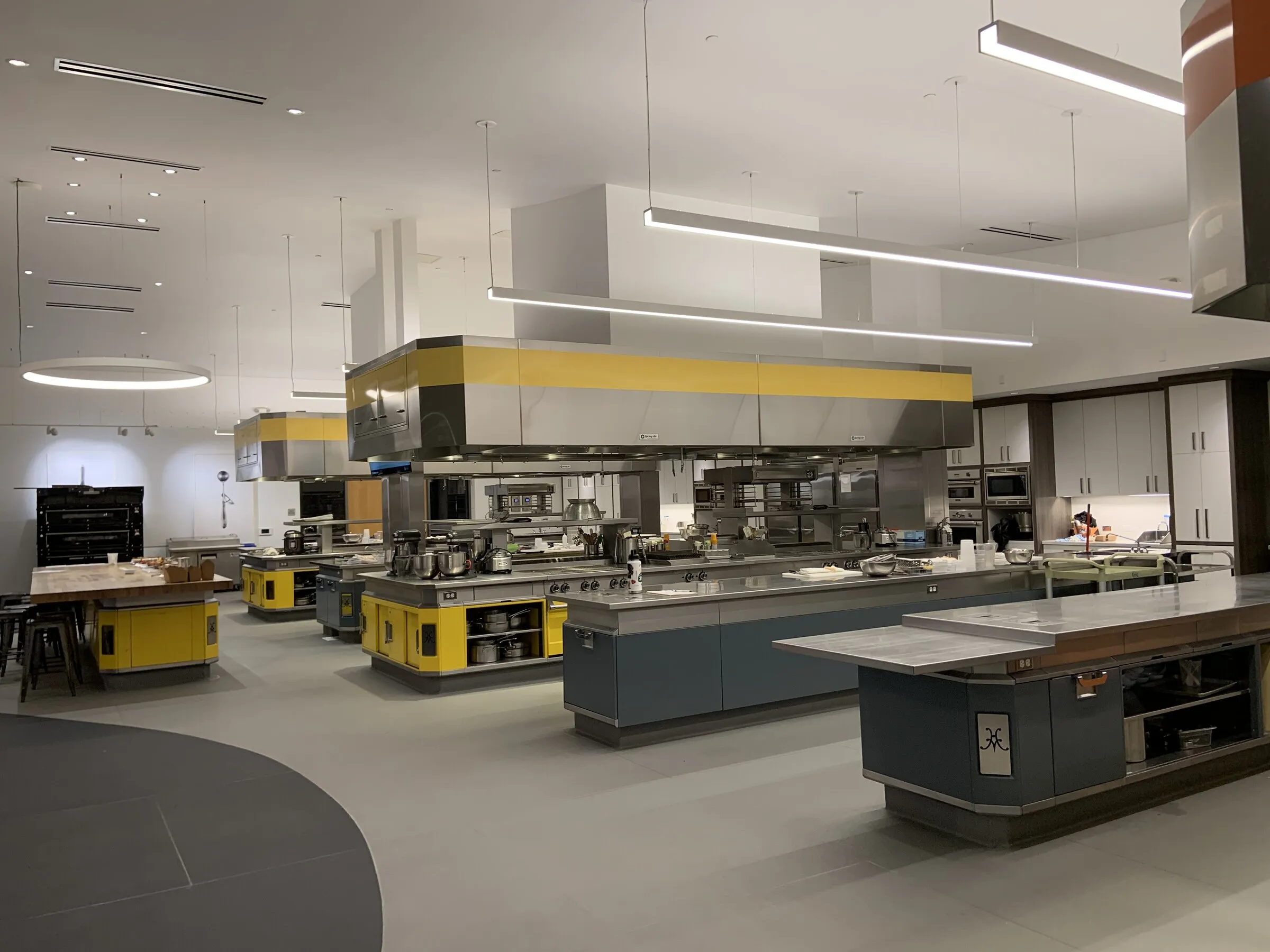
In a restaurant kitchen, a pest is not just a nuisance: it is a non-compliance. Quebec’s Regulation respecting food requires premises free of insects, rodents and their droppings. The day a MAPAQ inspector opens the cabinet under the sink, what matters is what they find and what you can prove you have done.
What an inspector looks at
A restaurant inspection focuses on specific spots that customers never see:
- under and behind equipment: dishwashers, refrigerators, fryers, where heat and grease build up;
- storage cabinets and shelving, looking for mouse or cockroach droppings;
- openings: back doors, delivery doors, screens, pipe penetrations;
- the garbage area, inside and out;
- stored food, with chewed or punctured packaging.
An establishment with a documented pest management program shows it monitors these points, even when a single insect turns up.
The pests that matter in food service
Cockroaches. The German cockroach is the classic commercial kitchen pest. It often arrives with deliveries and multiplies fast near the warmth of equipment. See the page on cockroaches.
Mice and rats. Rodents get in through poorly fitted delivery doors and pipe openings, drawn by garbage. Mice contaminate stored food; rats concentrate around outdoor containers.
Flies. House flies and fruit flies follow drains, garbage and ripe produce. Control starts with the source, not with a product.
Discretion and scheduling: what to ask a provider
For a restaurant, how the service is carried out matters almost as much as whether it works. Before signing, ask:
- Can visits happen outside service hours, early morning or after closing?
- Are the vehicle and uniform discreet, with no pest logo visible in the parking lot?
- Which products are used in the prep area, and how long before work resumes?
- Which of the technicians hold a CD5 certificate?
These conditions belong in the contract, not just in a phone conversation.
The paperwork to keep
Your best argument in front of an inspector is an up-to-date file. A serious program produces a visit log, a map of numbered stations and traps, service reports and a record of corrections. Keep the file on site, where the shift manager can reach it. A hotel or seniors’ residence kitchen follows the same rules: see also the pages on hotels and seniors’ residences.
Preventive program or one-time treatment
A one-time treatment fixes a visible problem: a cockroach infestation, a mouse spotted in the dining room. It is useful, but it documents nothing between crises.
A preventive program includes regular visits, a network of monitoring traps and reports. It picks up activity before it becomes visible and produces the paperwork an inspector wants to see. For a busy kitchen, it is almost always the better investment.
Residential price ranges are on the pricing page; a commercial contract is quoted on floor area, number of visits and documentation requirements.
Regulatory framework
Quebec's Regulation respecting food, enforced by MAPAQ, requires the premises of a food establishment to be free of any animal, including insects and rodents, and of their excrement. Doors, windows and ventilation openings must be designed to keep them out.
What an inspector expects to see
- Log of pest control visits, dated and signed
- Map of numbered stations and traps
- Service reports: findings, products applied, recommendations
- Follow-up on requested corrections (sealing, maintenance, storage)
Priority pests in this type of facility
Frequently asked questions
Can a MAPAQ inspector close my restaurant over cockroaches?
MAPAQ has several enforcement tools when an establishment does not comply with the Regulation respecting food. Insects, rodents or their droppings are a direct non-compliance. The safest approach is to solve the problem before the inspection and keep the paperwork that proves it.
Does the kitchen have to close during a treatment?
Not necessarily. Gel baits and traps are often placed outside service hours. Exact instructions depend on the product: get them in writing, including how long to wait before food preparation resumes.
How often should a prevention visit happen?
It depends on volume, type of kitchen and the establishment's history. A preventive contract usually includes regular visits, often monthly for a busy kitchen, plus extra visits when activity is found. The frequency should be written into the contract.
Do cockroaches come in with deliveries?
Often. Cardboard boxes, crates and pallets carry cockroaches and their egg cases. Unpacking at receiving, getting rid of cardboard quickly and inspecting deliveries cuts reinfestations considerably.
My restaurant is in a shopping centre. Who is responsible?
The restaurant remains responsible for its premises in MAPAQ's eyes. But if pests come from common areas or neighbouring units, building management has to act too. Ask for building-wide treatment and keep a written record of your requests.
Official sources
The legal texts and government pages cited on this page. Always check them for the current version.
Updated