Exterminator in Carignan
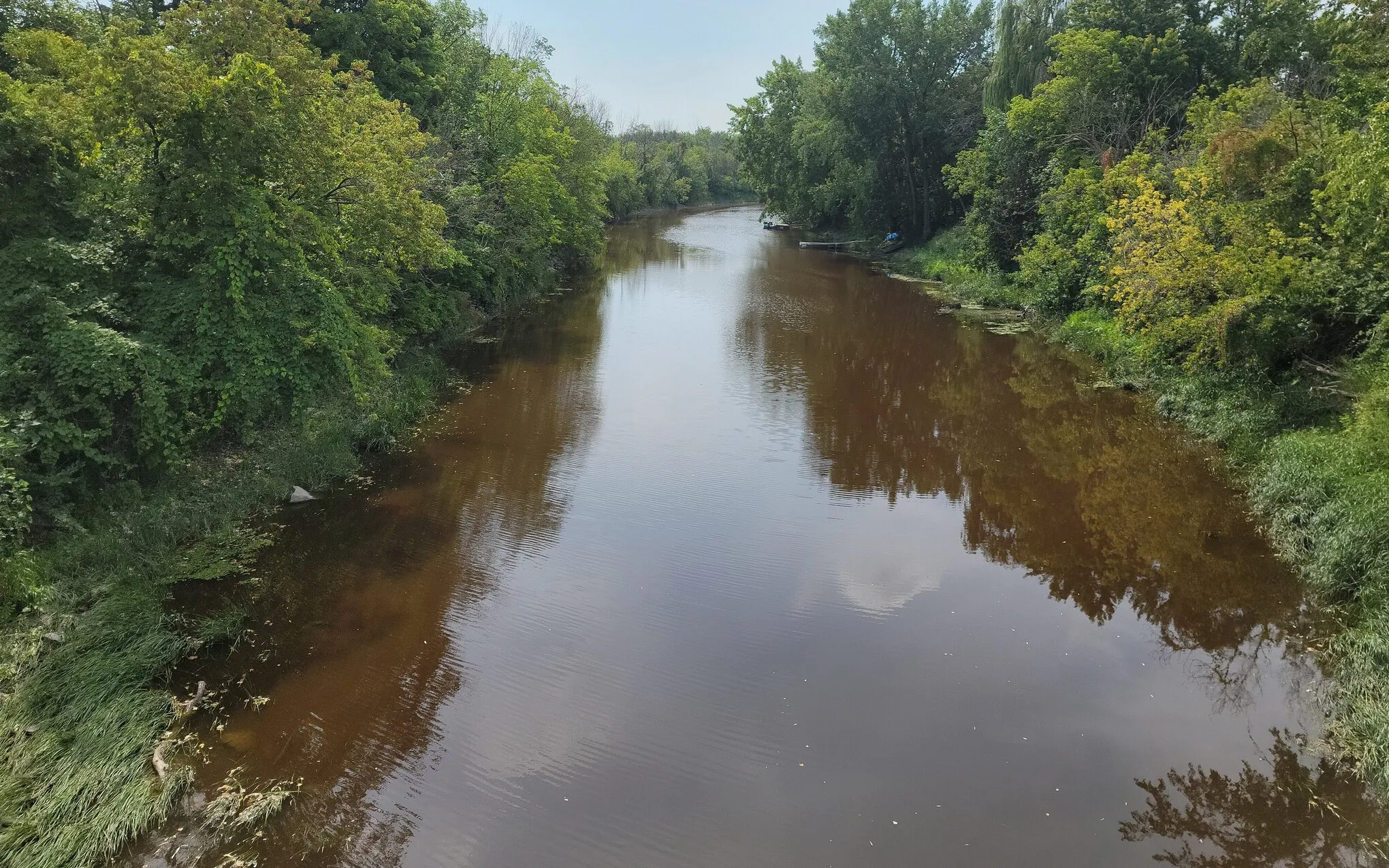
-Rivi%C3%A8re_l%27Acadie-Vue_vers_l%27amont_du_pont_de_la_route_112_reliant_Chambly_et_Carignan-2022-08-29.jpg)
What the most common treatments cost in Carignan
Ranges published by companies in the region, not prices set by this site. The only figure that binds is a written quote after an inspection.
- mice — Mice, residential$250–$695 per job
- carpenter ants — Accessible colony$300–$800 per job
- wasps and hornets — Accessible nest$150–$400 per job
Carignan has 11,740 residents as of the 2021 census and is part of La Vallée-du-Richelieu RCM. Incorporated in 1855, it covers 65.2 km², larger than many neighbouring towns, made of small urban pockets surrounded by farmland (terres agricoles) growing mostly corn, wheat and soy. The rivière L’Acadie crosses it, the rivière Richelieu and the bassin de Chambly border it, along with île Goyer and île aux Lièvres. A rare quirk: the territory is split in two by the town of Chambly, including over 1.8 km along chemin de la Grande-Ligne. Route 112 and the maison Hubert-Lacroix are among its landmarks.
Neighbourhoods in the middle of farmland
In most suburbs, fields are on the outskirts. In Carignan, they surround nearly every neighbourhood. That is why mice are the town’s dominant pest, well ahead of the rest.
The most common pests in Carignan
Mice. After harvest, field mice look for the nearest foundation. A gap of a few millimetres is enough: see how to keep mice out.
Carpenter ants. Wooded banks along the rivière L’Acadie and the bassin de Chambly hold the moisture and dead wood colonies look for. See where to look for the nest of carpenter ant colonies.
Asian lady beetles. In October, south and west walls at the edge of farmland get plenty: see the page on Asian lady beetles.
Wasps. Sheds, farm buildings and soffits host wasp nests in summer.
Raccoons and skunks. Lots near fields and riverbanks see them pass. Carignan is on the list of municipalities where moving them alive is prohibited: see what the law allows on the raccoons page.
The local calendar
- April to June: carpenter ants near the rivers.
- June to September: wasps.
- September to November: field mice and Asian lady beetles, at the same time.
Requesting a quote in Carignan
Carignan is part of the La Vallée-du-Richelieu zone. The Carignan quote request opens with the town already selected. Mention whether your house borders fields or the river.
Insist on a written quote that includes a full foundation inspection and sealing, and ask for the technician’s CD5 certificate. Published ranges are on the pricing page. The neighbouring towns of Chambly, Saint-Basile-le-Grand and Saint-Jean-sur-Richelieu have their own profiles.
The most common pests in this sector
Frequently asked questions
Why are mice so common in Carignan?
Carignan is made of small urban pockets surrounded by farmland. When corn, wheat and soy are harvested, field mice lose their shelter just as nights cool, and the nearest house becomes their refuge.
Do homes along the rivière L'Acadie have more carpenter ants?
Wooded riverbanks hold the moisture and dead wood colonies look for. Outdoor wood on nearby houses, such as decks and fences, is the first place to check.
Carignan is split in two by Chambly: does that change anything?
For a quote request, simply choose Carignan: the request is routed by town. For pests, what matters is the immediate surroundings (fields, river or woods) more than the municipal boundary.
Do Asian lady beetles get into Carignan homes too?
Yes, especially at the edge of farmland, on south- and west-facing walls. Sealing is done in August, before the October invasion.
Can I trap a raccoon and release it in a field?
No. Carignan is on the list of municipalities where moving a live raccoon or skunk is prohibited, because of raccoon rabies.
Neighbouring sectors
Updated