Pest control for offices and retail stores
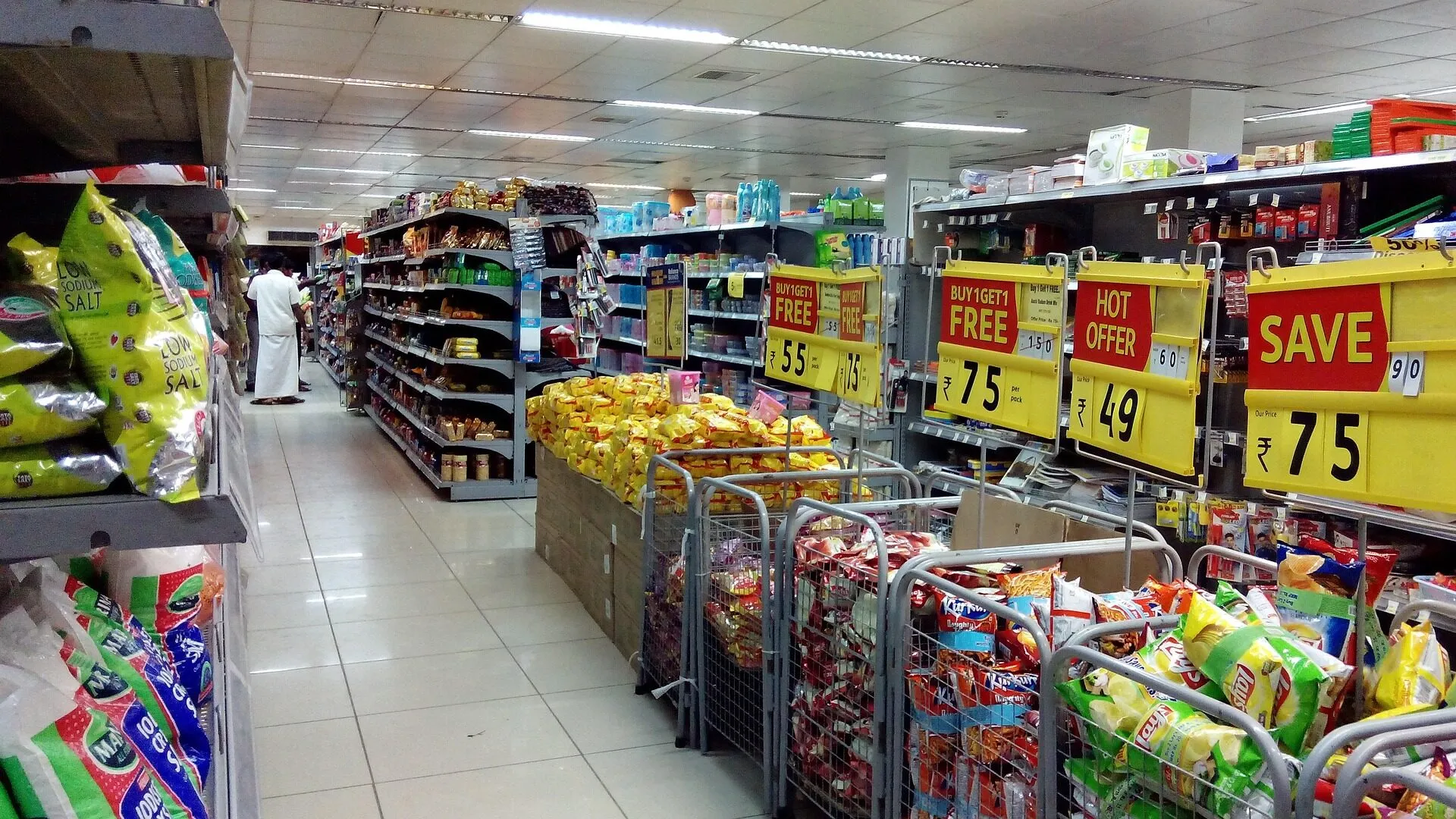
In an office or store, a pest is first a problem of image and trust: a mouse seen by a customer, a cockroach in a display, a bed bug found on a waiting room chair. The goal is to solve it quickly, without closing, and without alarming customers or employees. On the South Shore, large retail hubs like Quartier DIX30 and the businesses along Boulevard Taschereau sit alongside older premises where passages between units are common.
The pests that matter
Mice. Snacks in drawers, kitchenettes, garbage cans: an office feeds more mice than you would think, and drop ceilings serve as their corridors. See the page on mice.
Cockroaches. Mostly in food businesses and units next to a restaurant. See the page on cockroaches.
Bed bugs. Brought in by an employee or customer, they rarely settle in an office, but upholstered chairs, break rooms and locker rooms should be inspected. See the page on bed bugs.
Discretion: what to require
- Treatments outside business hours, before opening or after closing.
- A discreet vehicle and uniform, with no pest branding in front of the storefront.
- Written instructions on when treated areas can reopen.
- Factual communication to employees that respects confidentiality.
- The CD5 certificate of the technicians.
Leased premises: who does what
In leased commercial space, the lease often splits maintenance between tenant and landlord. When pests come from common areas, neighbouring units or the building structure, treatment has to happen building-wide. Report the problem to the landlord in writing and keep copies of the service reports.
Food retail
Convenience stores, bakeries, specialty food shops: a business that sells food falls under the Regulation respecting food, which requires premises free of insects, rodents and their droppings. The requirements and paperwork then look much like those for restaurants.
Preventive program or one-time treatment
For an office with no history of problems, treatment as needed plus an annual inspection is often enough. For a food business, or premises in a building with a history, a preventive program with regular visits and reports documents compliance and catches problems before a customer sees them.
For ballpark figures, see what pest control costs.
Regulatory framework
A business that sells food falls under MAPAQ's Regulation respecting food, which requires premises free of insects, rodents and their excrement. For offices and other businesses, Quebec's Act respecting occupational health and safety requires employers to protect workers' health; commercial leases often split pest control responsibility between tenant and landlord.
What an inspector expects to see
- Dated service reports, with treated areas
- Written communication to employees (instructions, timing)
- Lease clause specifying who is responsible for pest control
- Follow-up on requested corrections
Priority pests in this type of facility
Frequently asked questions
An employee found a bed bug at the office. What now?
Stay calm and have an inspection done: a bed bug found at work almost always came from a bag or clothing, and an office offers few places where they can settle for long. The inspection covers upholstered chairs, break areas and locker rooms. Confidentiality toward the employee matters.
Who is responsible in a leased space?
It depends on the commercial lease, which often splits maintenance between tenant and landlord. If pests come from common areas or neighbouring units, the landlord has to act at the building level. Reread the maintenance clause and keep a written record of your requests.
Can treatment happen without closing the store?
Yes, in most cases. Treatments are scheduled before opening or after closing, with written instructions on when treated areas can reopen.
Why are there mice in an office with no kitchen?
Snacks in desk drawers, garbage cans at workstations and kitchenettes are enough to feed mice. Cable runs and drop ceilings serve as their corridors. Storing food properly and sealing those passages solves most cases.
Is a preventive contract useful for a store?
For a food business, often yes, because it documents compliance. For an office, an annual inspection plus treatment as needed is usually enough, unless the building has a history of problems.
Official sources
The legal texts and government pages cited on this page. Always check them for the current version.
Updated