Exterminator in Chambly

What the most common treatments cost in Chambly
Ranges published by companies in the region, not prices set by this site. The only figure that binds is a written quote after an inspection.
- mice — Mice, residential$250–$695 per job
- wasps and hornets — Accessible nest$150–$400 per job
- carpenter ants — Accessible colony$300–$800 per job
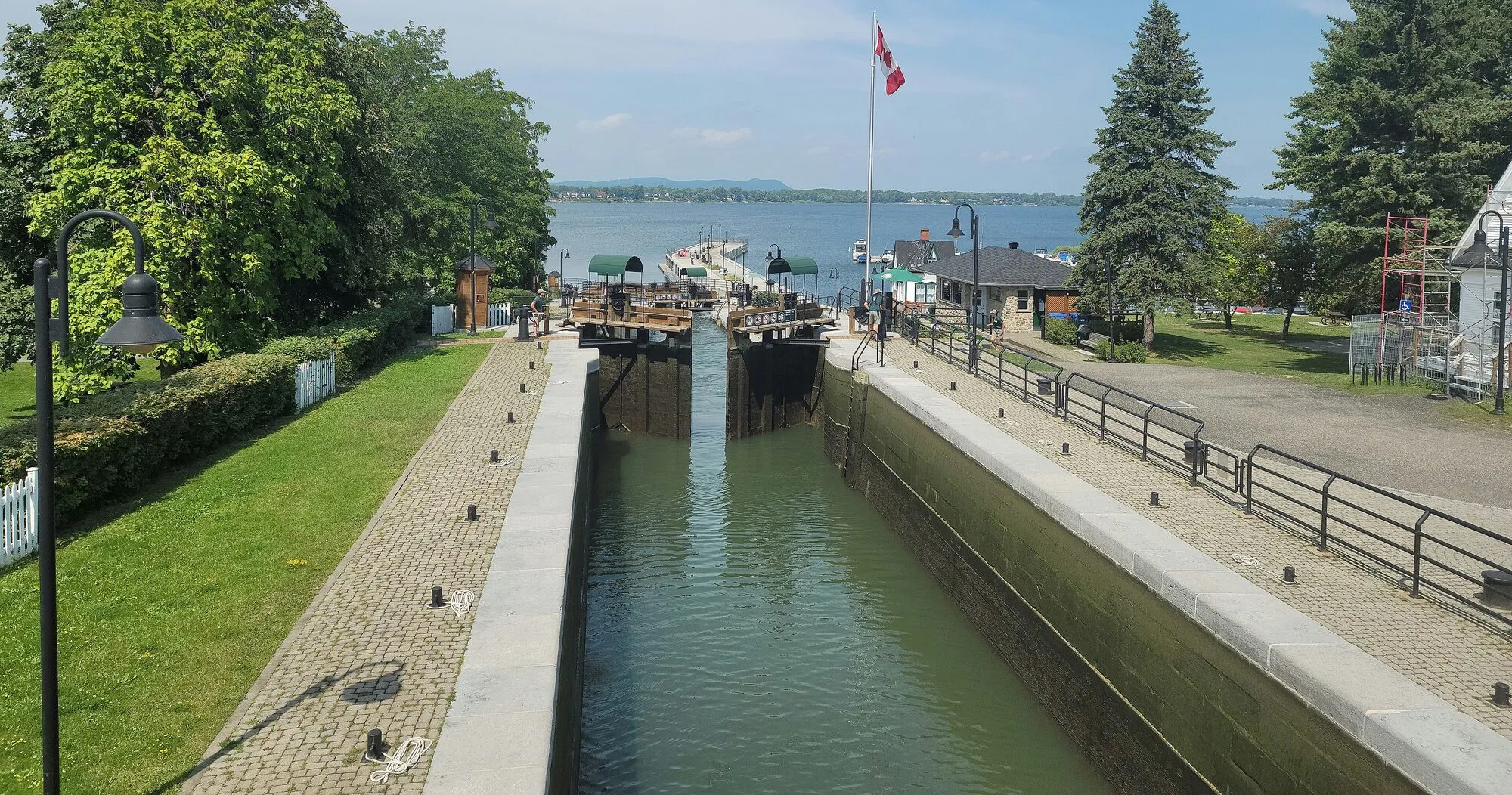
Chambly has 31,444 residents as of the 2021 census. It is one of the fastest-growing towns in the region: it had 12,869 in 1986. The rivière Richelieu marks its north-east edge, and Vieux-Chambly grew up along the bassin de Chambly and the rapides de la rivière Richelieu, around Fort Chambly and the canal de Chambly. Route 112 crosses the town east to west, and boulevard de Périgny and avenue Bourgogne are its main roads.
Two Chamblys
Vieux-Chambly, by the water, holds the oldest buildings, exposed to moisture from the basin. Around it is a very new town: more than half of today’s population arrived within a generation, in neighbourhoods of houses built since the 1980s. The two landscapes pose different problems.
The most common pests in Chambly
Wasps. The vented soffits and siding of newer homes give queens sheltered cavities. It is one of the town’s most frequent problems: see wasps and hornets.
Mice. Several neighbourhoods still border open or developing land. In the fall, mice move from there toward houses.
Carpenter ants. In Vieux-Chambly, near the basin and the Richelieu, older wood and moisture favour carpenter ants.
Asian lady beetles. The sunny walls of newer homes next to open space attract Asian lady beetles in the fall.
The local calendar
- May and June: the right time to spot a young wasp nest under a soffit.
- July to September: wasp nests at full size; mosquitoes near the basin.
- September to November: mice and Asian lady beetles.
- April and May: carpenter ants in Vieux-Chambly houses.
The work and the timing
In a newer neighbourhood the useful job is short: locate the wasp nest or the mouse entry points, treat or seal, then verify. In Vieux-Chambly, near the fort and the basin, add an inspection of the outdoor wood before any indoor work. No timeline is guaranteed on this site: have the date, the method and the number of visits written down.
Requesting service in Chambly
Chambly is part of La Vallée-du-Richelieu zone. The quote request for Chambly opens with the town already selected. No response time is guaranteed. For a wasp nest, say how high it is and whether it is near a door.
Insist on a written quote and ask to see the technician’s CD5 certificate. Price ranges are on the pest control prices page. Saint-Jean-sur-Richelieu, across the territory, has its own profile on the Saint-Jean-sur-Richelieu page.
The most common pests in this sector
Frequently asked questions
Why so many wasp nests in Chambly's newer homes?
Much of the town was built since the 1980s. The vented soffits and siding of those houses offer dry, sheltered cavities that queen wasps pick in spring. An inspection in May or June lets you remove a nest while it is still small.
Do Vieux-Chambly houses have different problems?
Yes. Near the Chambly Basin and the Richelieu River rapids, older wood is exposed to more moisture, which favours carpenter ants. In newer neighbourhoods it is mostly wasps and mice.
Do mice come from the remaining vacant lots?
In a town that grew this fast, several neighbourhoods still border open or developing land. In the fall, the mice living there look for shelter in nearby foundations.
Does the Chambly Canal attract rats?
Nothing points to particular rat pressure in Chambly. Along the water, mosquitoes in summer and damp wood are the more common issues.
Do newer neighbourhoods really have fewer pests?
Not fewer, different ones. A new house has little rotten wood, so few carpenter ants, but its vented soffits offer wasps sheltered cavities and its still-open lots let mice in during the fall.
Does living near the bassin or the canal de Chambly change anything?
Water and wooded banks hold moisture: outdoor wood stays damp longer, which interests carpenter ants, and mosquitoes are more present in summer.
Neighbouring sectors
Updated