Pest control for warehouses and industrial buildings
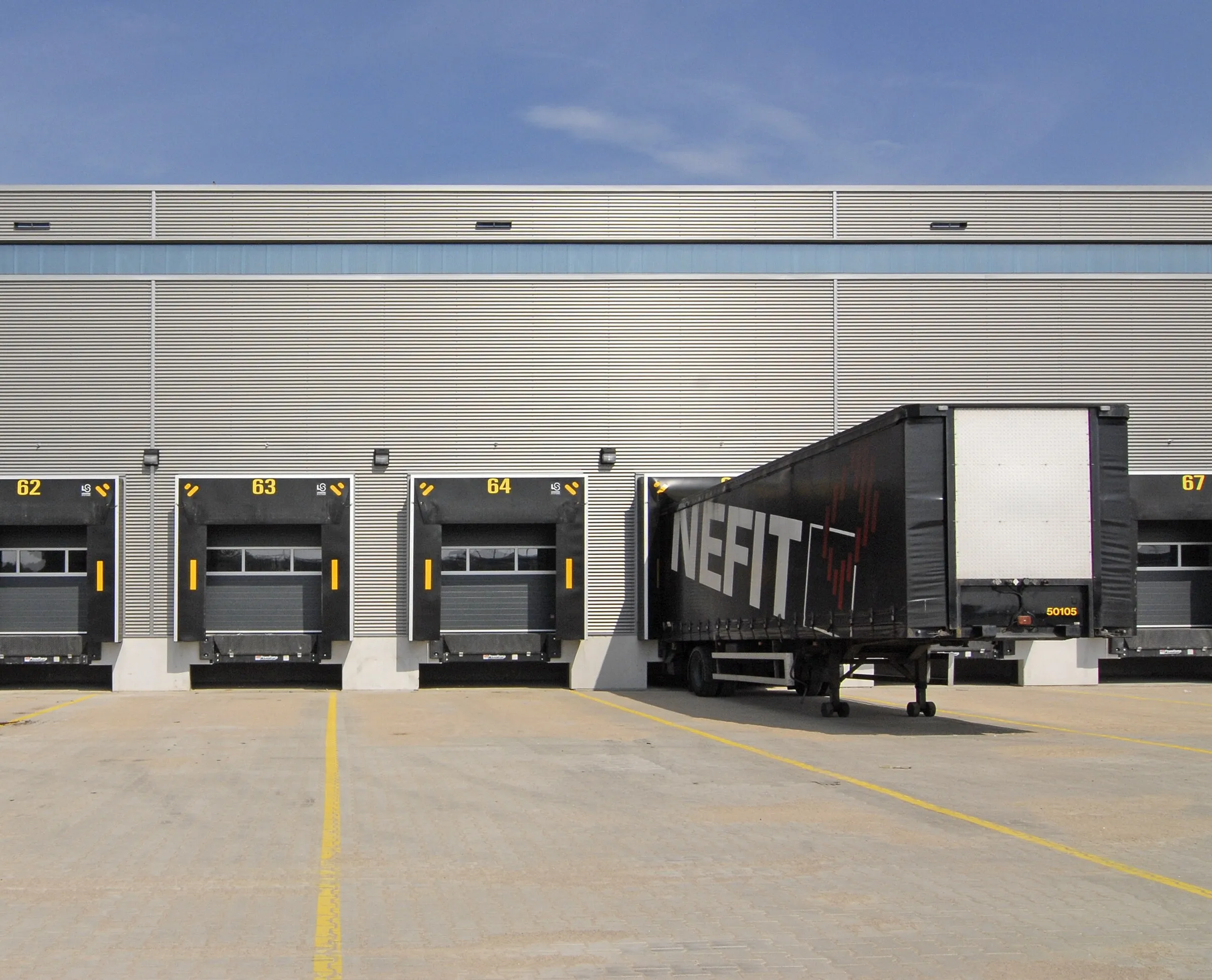

A warehouse gives rodents everything they look for: large, rarely visited spaces, pallets that double as shelter, dock doors that are often open and dumpsters close by. On the South Shore, the industrial parks of Boucherville, Candiac and Varennes are where these buildings are concentrated. Pest management there starts outside, long before it reaches the inside.
The pests that matter
Rats. Around dumpsters, docks and pallets stored outdoors. See the page on rats.
Mice. Indoors, in racking and stored goods. See the page on mice.
Birds. Pigeons and starlings in roof structures and open doors, with droppings that create a hygiene problem.
The perimeter first
Warehouse defence is won around the building:
- a clear perimeter: vegetation cut back, no pallets or materials stacked against the walls;
- closed dumpsters, placed away from doors;
- locked, anchored bait stations along the exterior walls;
- tight dock doors: seals, shelters and bottom seals in good condition.
Offices attached to the warehouse have their own issues, mainly mice in kitchenettes: see the page on offices and retail.
Inside
- Mechanical traps along walls and in storage areas, numbered and mapped.
- Racking kept off the walls, so traps can be placed and inspected.
- Stock rotation, so there are no still zones where rodents settle in.
- Bird exclusion with netting, spikes and closing high openings.
What to require from a provider
- a numbered map of exterior stations and interior traps;
- activity reports per station, to see where pressure is rising;
- a prioritized list of exclusion fixes;
- scheduled visits that do not slow operations;
- the CD5 certificate of the technicians.
Preventive program or one-time treatment
In a warehouse, a one-time treatment often comes after goods have already been damaged. A preventive program built on the perimeter, exclusion and monitoring costs less than the losses. If food is stored, the program must also meet food safety requirements: see the page on grocery and food processing.
Observed ranges are on the pricing page.
Regulatory framework
A warehouse storing food may fall under the preventive control plan of the Safe Food for Canadians Regulations, which includes pest control. For other warehouses, Quebec's Act respecting occupational health and safety requires employers to protect workers' health, and customer contracts often require a documented program.
What an inspector expects to see
- Map of exterior stations and interior traps, numbered
- Visit reports with activity per station
- List of exclusion fixes: dock doors, seals, openings
- Record of products used
Priority pests in this type of facility
Frequently asked questions
Do rats come from the dumpsters?
Often. Poorly closed containers, pallets stacked against the building and tall vegetation around the lot offer food and shelter. The first line of defence is a clean, clear perimeter with locked stations outside.
How do you keep rodents from getting in through dock doors?
Worn dock seals and shelters, damaged bottom seals on sectional doors and doors left open are the main entry points. Maintaining them is part of the program, just like the traps.
What about pigeons inside the warehouse?
Birds are managed through exclusion: netting, spikes, closing openings, strip curtains at doors. Their droppings are a hygiene problem and must be cleaned up with precautions. They are not poisoned.
Does a warehouse without food need a program?
There is no food-safety obligation, but rodents damage goods, packaging and wiring, and your customers may require a program in their contracts. A light program focused on exclusion and exterior stations is often enough.
Can visits happen without slowing operations?
That is a reasonable requirement to put in the contract: visits scheduled during quiet hours, movement coordinated with forklift traffic, access to areas on an agreed schedule.
Official sources
The legal texts and government pages cited on this page. Always check them for the current version.
Updated