Asian lady beetles: why they pick your walls
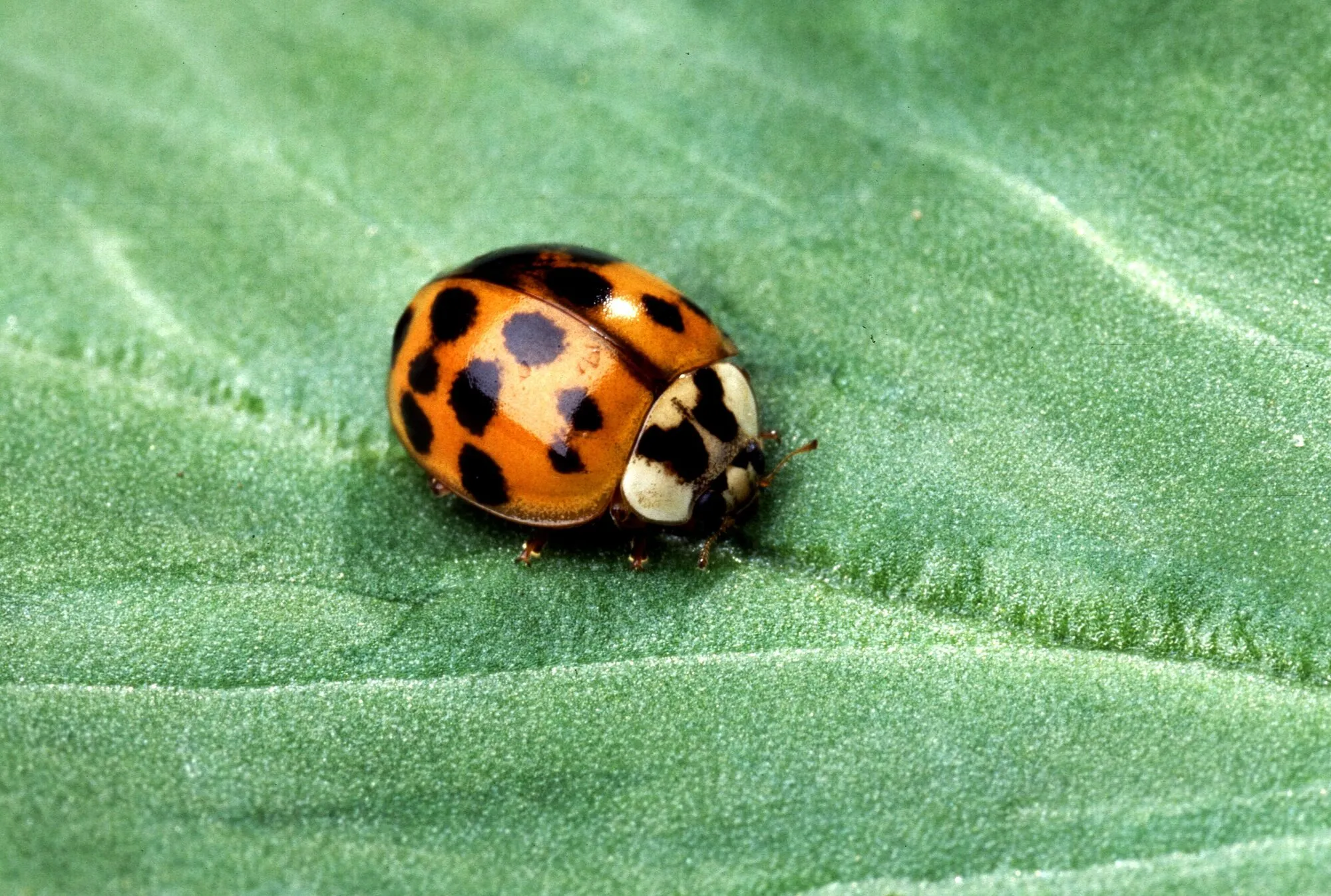
Every fall, as soon as the nights turn cold, the Asian lady beetle leaves fields, orchards and woods to look for a place to spend the winter. It picks light-coloured, sunny walls that stand out in the landscape, gathers there by the hundreds, then slips into the smallest crack. On the South Shore, houses next to farmland are hit hardest: the Saint-Luc and L’Acadie sectors of Saint-Jean-sur-Richelieu, Sainte-Julie, where farms remain between neighbourhoods, and Varennes, most of whose territory is farmland.
Identifying the Asian lady beetle
It measures 5 to 8 mm. Its colour varies widely, from yellow-orange to red, with 0 to 19 black spots. The most reliable clue is behind the head: a white area that usually carries a black M- or W-shaped mark.
Not to be confused with:
- native lady beetles, with no M mark, often rounder and smaller, which do not invade houses;
- leaf beetles, more elongated, with no white pattern behind the head.
Signs of a problem
- dozens or hundreds of lady beetles on a sunny wall in September or October;
- beetles clustered in window corners, soffits and the attic;
- beetles reappearing indoors during winter thaws and in spring;
- yellowish stains and a bad smell when they are disturbed.
That last sign is a defence: when disturbed, the beetle releases a yellowish fluid from its leg joints.
Why act, and how far to go
The Asian lady beetle chews nothing, does not breed in the house and transmits no disease. The problem lies elsewhere:
- stains on walls, curtains and fabrics;
- the smell in rooms where they build up;
- allergies, because large numbers indoors can trigger reactions in some people;
- coming back every year, because a house that sheltered them is often chosen again.
In other words, it is mostly a sealing problem, far more than a product problem.
How treatment works
- Inspecting the building envelope. Window and door frames, soffits, the roof-to-wall junction, vents, outdoor electrical boxes, cable entries.
- Sealing. Sealant in cracks, repaired screens, fine mesh on vents, weatherstripping. This is the step that matters most.
- A preventive exterior treatment, only if done at the right time: late summer, just before the fall gathering, on the most exposed walls.
- Indoors, vacuuming with a disposable bag and, if needed, light traps in the attic. An insecticide applied inside the house is almost never justified.
- Follow-up in spring, when the beetles try to get out, to find missed entry points.
What it costs
No price range specific to Asian lady beetles is published for the region. Cost depends mostly on the area of south- and west-facing walls, the sealing required and access at height. A quote after inspection remains the only reliable figure; the other ranges are on the treatment costs page.
The CD5 certificate and wall treatments
An exterior wall treatment is a pesticide application near windows and air intakes. In Quebec, the person applying it must hold a CD5 certificate from the Ministry of the Environment. Ask to see it, and also ask why the treatment is being proposed at that exact time: done in October, once the beetles are already inside the walls, it rarely achieves anything. Several municipalities also regulate outdoor pesticide use: the frequently asked questions explain how to check your town’s by-law.
Preventing next fall’s invasion
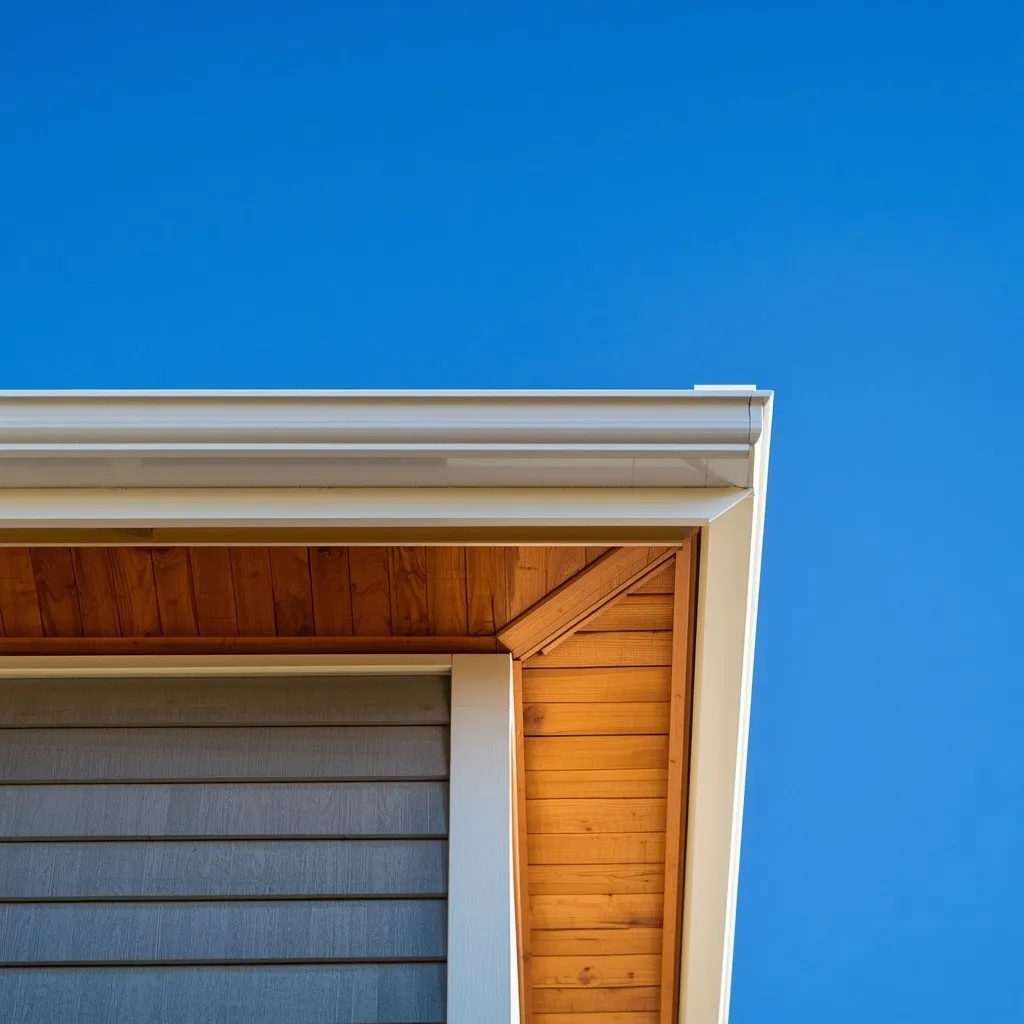
- Seal up before the end of September, starting with the south and west walls.
- Repair screens and put fine mesh on vents and dryer exhausts.
- Seal cable entries and outdoor electrical boxes.
- Vacuum rather than crush the ones that get in.
- Note where they cluster: those are next year’s entry points.
Lady beetles often arrive together with cluster flies, which are also looking for fall shelter, and at the same time as mice leaving the fields: the same sealing work helps against all three. The page on how treatment works explains what an inspection of the building envelope should cover. To see what happens in your town, check the service area.
Frequently asked questions
Are Asian lady beetles dangerous?
No. They can pinch lightly and, when disturbed, release a yellowish fluid that stains and smells bad. In some people, large numbers indoors can trigger allergic reactions. They cause no structural damage.
Why my house and not the neighbour's?
They pick light-coloured, sunny walls, especially facing south and west, that stand out in the landscape. A house next to a field, an orchard or woods is more exposed than one surrounded by other buildings.
Do they breed inside the house?
No. They overwinter in walls and the attic without breeding, then try to get back out in spring. The ones you see indoors in winter came in during the fall and were woken up by the heat.
Should I crush them?
Avoid it: they stain walls and fabrics and leave a smell. Use a vacuum with a disposable bag instead, or slip a nylon stocking into the wand to collect them, then release them outside or throw out the bag.
When should an exterior treatment be done?
A preventive exterior treatment only works if it is done just before the fall gathering, usually at the end of summer. Once the beetles are inside the walls, sealing and a vacuum are more useful than any product.
How do I tell them from a native lady beetle?
Look behind the head: the Asian lady beetle usually has a black M- or W-shaped mark on a white area. Its colour varies widely, from yellow-orange to red, with or without spots.
Why are there so many in North America?
The species was introduced to North America to control aphids in crops. It then spread widely, and its habit of overwintering in groups inside buildings made it a fall nuisance.
Do store-bought light traps work?
They catch some of the beetles moving around the attic or dark rooms and can help as a complement. They do not replace sealing, which stops them from getting in.
Where this pest is most common
Towns in the territory where this pest puts the most pressure, based on each town’s housing and surroundings.
Next steps
Updated