Exterminator in Mont-Saint-Hilaire
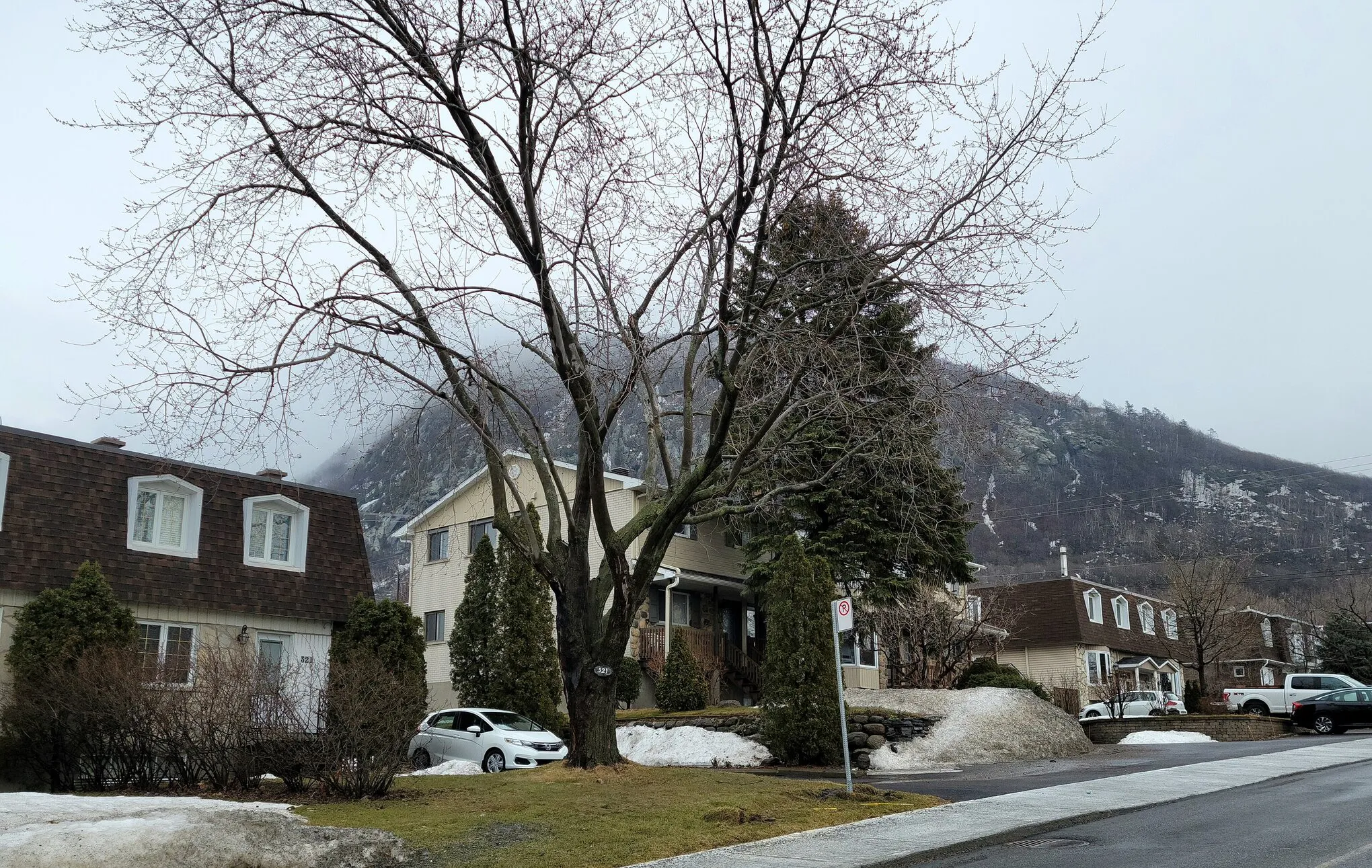
-2022-03-19.jpg)
What the most common treatments cost in Mont-Saint-Hilaire
Ranges published by companies in the region, not prices set by this site. The only figure that binds is a written quote after an inspection.
- carpenter ants — Accessible colony$300–$800 per job
- mice — Mice, residential$250–$695 per job
- wasps and hornets — Accessible nest$150–$400 per job
Mont-Saint-Hilaire has 18,859 residents as of the 2021 census and is part of La Vallée-du-Richelieu RCM. Incorporated in 1966, the town covers 45.5 km² between the Richelieu River to the northwest and Mont Saint-Hilaire, whose réserve naturelle Gault, owned by McGill University (Université McGill), protects one of the last remnants of old-growth hardwood forest in Québec. The gare Saint-Hilaire and rue du Grand Tronc, chemin des Patriotes and boulevard Honorius-Charbonneau, the Manoir Rouville-Campbell, the église Saint-Hilaire and the Musée des beaux-arts de Mont-Saint-Hilaire are among its landmarks.
A town at the foot of an old forest
Few towns in the region have such a large forest so close to the houses. The mountain has never been logged: dead wood, stumps and big trees abound. That neighbour, far more than the age of the houses, shapes the town’s pest profile.
The most common pests in Mont-Saint-Hilaire
Carpenter ants. Colonies living in dead wood send satellite nests into the damp outdoor wood of nearby houses: decks, sills, window frames. See how to spot carpenter ants near wooded lots.
Mice. In the fall, mice from the woods and open land move toward foundations. Utility entries and garage door bottoms are the first places to check: the page on mice in the fall covers sealing.
Wasps. Big trees and sheds multiply the spots for wasp nests, on top of soffits, from June to September.
Asian lady beetles. Sunny walls facing open areas draw Asian lady beetles in October.
Ticks. Not an extermination problem in the usual sense, but a habit to build after a forest walk: see the page on ticks.
The local calendar
- April to June: carpenter ant satellite nests; tick season starts in the forest.
- June to September: wasps, mosquitoes near the Richelieu River.
- September to November: mice and Asian lady beetles.
Requesting a quote in Mont-Saint-Hilaire
Mont-Saint-Hilaire is part of the La Vallée-du-Richelieu zone. The Mont-Saint-Hilaire quote request opens with the town already selected. Mention whether your lot borders the woods.
For carpenter ants, insist on a quote that says where the nest was looked for, outside as well as inside, and ask for the technician’s CD5 certificate. Published ranges are on the pricing page. The neighbouring towns of Beloeil and Otterburn Park have their own profiles.
The most common pests in this sector
Frequently asked questions
Why so many carpenter ants in Mont-Saint-Hilaire?
Several streets sit at the foot of Mont Saint-Hilaire, whose Gault nature reserve protects an old-growth forest. Dead wood and forest moisture feed colonies that then send satellite nests into the outdoor wood or framing of nearby houses.
Can ants be treated inside the Gault nature reserve?
No. The reserve belongs to McGill University and no treatment happens there. Protection targets your lot and your house: firewood kept away, branches trimmed, rotten wood replaced and satellite nests treated in the structure.
Do homes near the Richelieu River have other pests?
Riverside moisture mostly favours carpenter ants in outdoor wood and mosquitoes in summer. In the fall, mice also look for shelter in houses close to the water.
Are there ticks near Mont Saint-Hilaire?
Wooded areas are habitat for the blacklegged tick, which Montérégie public health monitors closely. Check yourself after a forest walk and call Info-Santé 811 if a tick stayed attached.
When should a house near the mountain be inspected?
In spring for carpenter ants, when satellite nests become active, and in late summer for mouse entry points, before the first cold nights.
Neighbouring sectors
Updated