Pest control for daycares, CPEs and schools
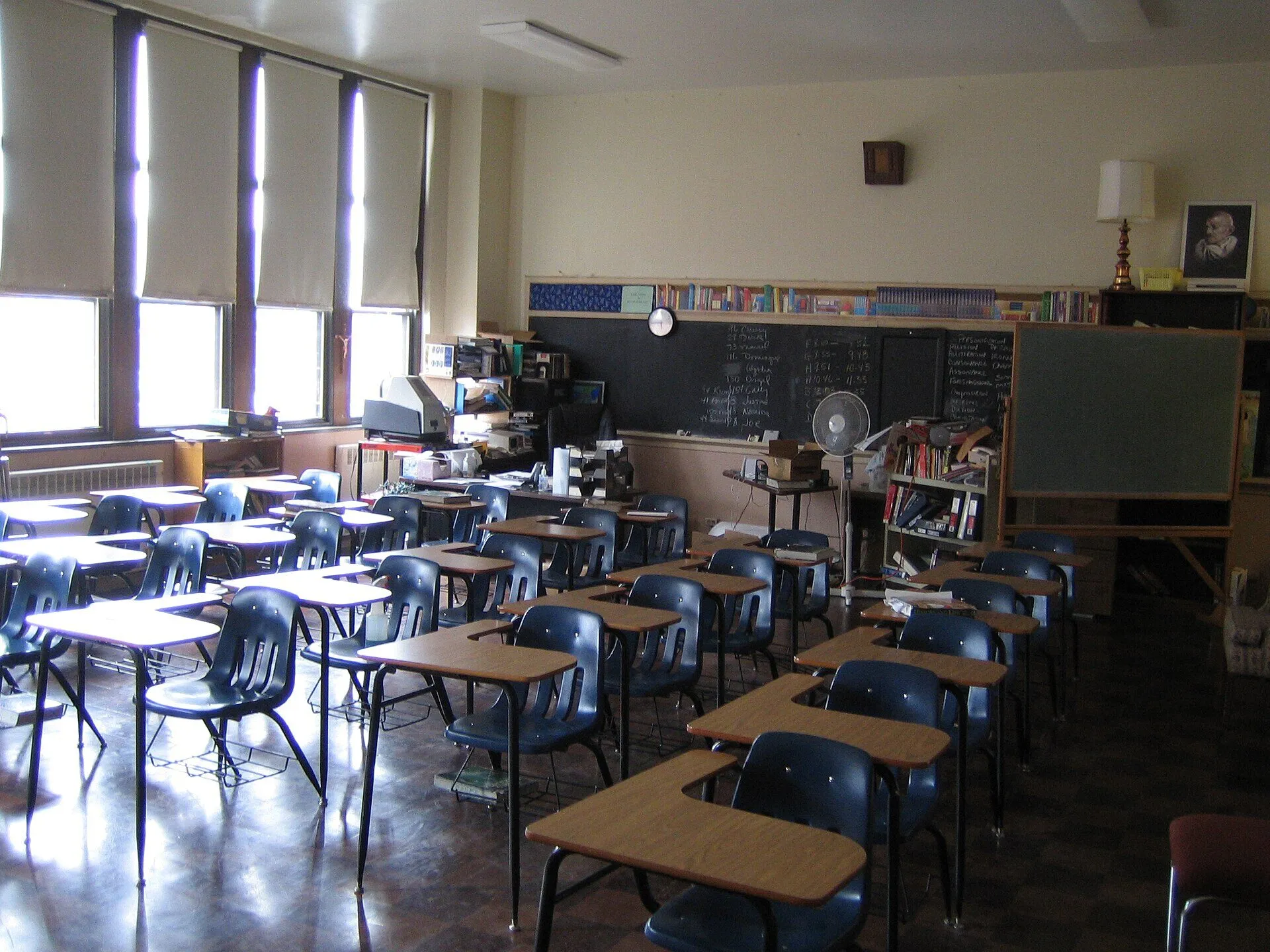
In a daycare, CPE or school, the question is not only how to get rid of a pest: it is how to do it with methods and products that are allowed where children spend their days. Quebec’s Pesticides Management Code is clear on this: inside and outside these establishments, only biopesticides and pesticides whose active ingredient is listed in Schedule II of the Code may be applied. A provider who does not know that rule is not the right provider.
What that changes in practice
The restriction rules out most of the products used elsewhere. In practice, pest management in these settings relies mainly on:
- exclusion: sealing entry points, screens, door sweeps;
- mechanical trapping, in locked boxes or rooms closed to children;
- sanitation: snacks, garbage cans and compost bins;
- permitted products, only when needed and never while children are present.
Quebec’s Environment ministry publishes the list of brand-name pesticides authorized in daycares and schools. Require that every product used appears on it.
The pests that matter
Mice. Snacks forgotten in lockers, kitchens, gyms and storage rooms: mice have no trouble finding food in a school. Exclusion and trapping are the lasting answer.
Wasps. A nest near a door, a play structure or a classroom window is urgent. See the page on wasps and hornets.
Cockroaches. In kitchens and food services, cockroaches call for a coordinated treatment using permitted products.
What to require from a provider
- The list of products they plan to use, with active ingredients.
- Treatments when children are absent, with a written delay before rooms reopen.
- A map of traps and stations, all out of children’s reach.
- The CD5 certificate of the technicians.
- Dated reports for every visit.
The ideal calendar
- Late summer: full inspection and sealing before school starts, and before mice move in.
- May and June: spotting young wasp nests around yards and play structures.
- School breaks: indoor treatments, while rooms are empty.
Preventive program or one-time treatment
Because products are limited, prevention is worth even more here than elsewhere. A program built on inspection, exclusion and follow-up avoids most situations where a product would be needed. A one-time treatment remains useful for a wasp nest or unexpected mouse activity.
For establishments that serve meals, food hygiene requirements apply as well: see also the page on restaurants. Observed ranges are on the page about extermination costs.
Regulatory framework
Quebec's Pesticides Management Code strictly limits pesticide use inside and outside childcare centres (CPEs), daycares, home childcare services and preschool, elementary and secondary schools: only biopesticides and pesticides whose active ingredient is listed in Schedule II of the Code are allowed.
What an inspector expects to see
- List of products applied, with active ingredient, to confirm they are permitted
- Dated service reports listing treated areas
- Instructions for re-entering rooms after a treatment
- Map of traps and stations, out of children's reach
Priority pests in this type of facility
Frequently asked questions
Can an exterminator use any product in a daycare?
No. Inside and outside a daycare or school, the Pesticides Management Code only allows biopesticides and pesticides whose active ingredient is listed in Schedule II. Quebec's Environment ministry publishes the list of brand-name products authorized in these establishments.
How do you get rid of mice without poison in a school?
With exclusion and mechanical trapping: sealing entry points, placing traps in locked boxes or in rooms children cannot access, and removing food sources such as snacks left in lockers. It is also the most lasting method.
There is a wasp nest near the play structure. What should we do?
Close off the area right away and have it dealt with quickly, outside the hours when children are outdoors. The product used must be permitted in an establishment attended by children: have that confirmed before the work starts.
Should parents be told?
It is good practice to inform parents about a treatment and the safety measures taken, especially if a product is applied. Exact obligations vary by type of establishment; check with the ministry responsible for yours.
When should treatments be scheduled?
When children are not there: evenings, weekends, school breaks. For prevention, late summer is ideal, before school starts and before mice move indoors in the fall.
Official sources
The legal texts and government pages cited on this page. Always check them for the current version.
Updated