Spiders in the house: what they tell you and how to reduce them
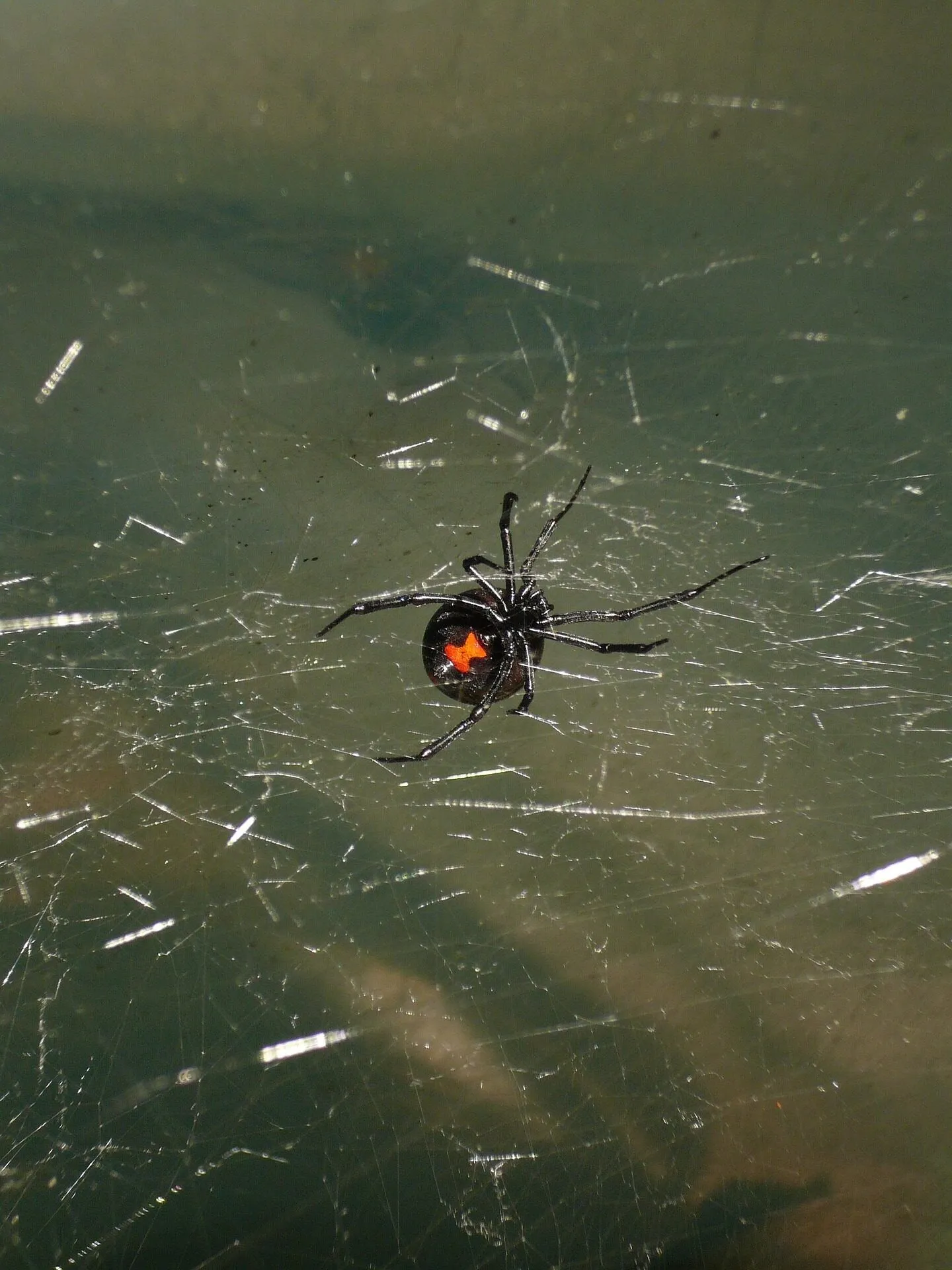
Seeing lots of spiders in a house is unsettling, but it is rarely a problem in itself. Most spiders in our homes are harmless, and they feed on other insects. Many spiders in the basement mostly point to moisture and plenty of prey. Reduce one and you reduce the other: insecticide alone does not last.
The spiders you see most often
- Common house spider: brown and mottled, it builds messy webs in corners and near windows.
- Cellar spider: small body, very long thin legs. It lives in basements and garages and also eats other spiders.
- Wolf spiders: stocky, hairy and fast, they hunt on the ground without a web and come in mostly through garage doors and basement windows.
The harvestman, or daddy longlegs, is not a true spider: its body is round and in one piece. The house centipede, which races along on many legs, is a centipede: see the page on sowbugs and centipedes.
What about the black widow?
The northern black widow is established in southern Québec. It lives mainly outdoors, under stones, in woodpiles and undisturbed spots. According to researchers at the Montreal Insectarium, it flees from humans, bites are very rare and the amount of venom injected is minimal. Wear gloves when moving firewood or stored materials, and see a doctor after a bite with significant pain.
What spiders reveal
A house with lots of spiders usually has:
- moisture in the basement, which attracts sowbugs, centipedes and silverfish;
- insects drawn to outdoor lights;
- gaps around windows, doors and utility entries.
What really reduces spiders
- Vacuum webs and egg sacs, and empty the vacuum outside.
- Dehumidify the basement.
- Seal window frames, door sweeps and pipe openings.
- Declutter the basement, garage and under the stairs.
- Move outdoor lights away from doors, or use bulbs that attract fewer insects.
- Clear the foundation: firewood, leaves and dense plants right against the house.
And a treatment?
A targeted exterior treatment around the foundation, windows and entries can reduce spiders for a season when they are very numerous. Without fixing moisture and prey, it does not last. The applicator of any insecticide must hold a CD5 certificate from the Environment ministry.
What it costs
A published range for Greater Montreal, which includes the South Shore, runs from $250 to $550 for a targeted exterior treatment. Rarely needed, it makes most sense for a house surrounded by vegetation or near water. Sources are on the page with price ranges.
When to bring in a professional
If spiders show up along with earwigs, sowbugs and mould in the basement, the real question is foundation moisture. An inspection should target the source, not just the spiders. To see how a visit works, read how a pest control job works.
Frequently asked questions
Are there dangerous spiders in Québec?
The vast majority of spiders are harmless to people and rarely bite. The northern black widow is present in southern Québec, but according to researchers at the Montreal Insectarium it flees from humans, bites are very rare and the amount of venom injected is minimal.
Why are there so many spiders in the basement?
Because they find moisture and food there: other insects, such as sowbugs, silverfish or gnats. Lots of spiders mostly means lots of prey.
Do spiders move indoors in the fall?
Some do, but most spiders you see inside live there year-round. In late summer, males of some species wander in search of females, which makes them more visible.
Should I spray insecticide for spiders?
Rarely. A treatment does not last if prey and moisture remain. Vacuuming webs and egg sacs, dehumidifying the basement and sealing gaps work better. A targeted exterior treatment is justified only when spiders are very numerous around the house.
Is this a spider bite?
Often not. Many marks blamed on spiders have another cause, such as an insect bite or a skin infection. If a lesion spreads, hurts or comes with fever, see a doctor or call Info-Santé 811.
Do outdoor lights attract spiders?
Indirectly: they attract night-flying insects, and spiders set up where the food passes. Moving lights away from doors, or using bulbs that attract fewer insects, cuts webs around entrances.
Next steps
Related pests
Updated