Pigeons, starlings and sparrows: keeping them off balconies and roofs
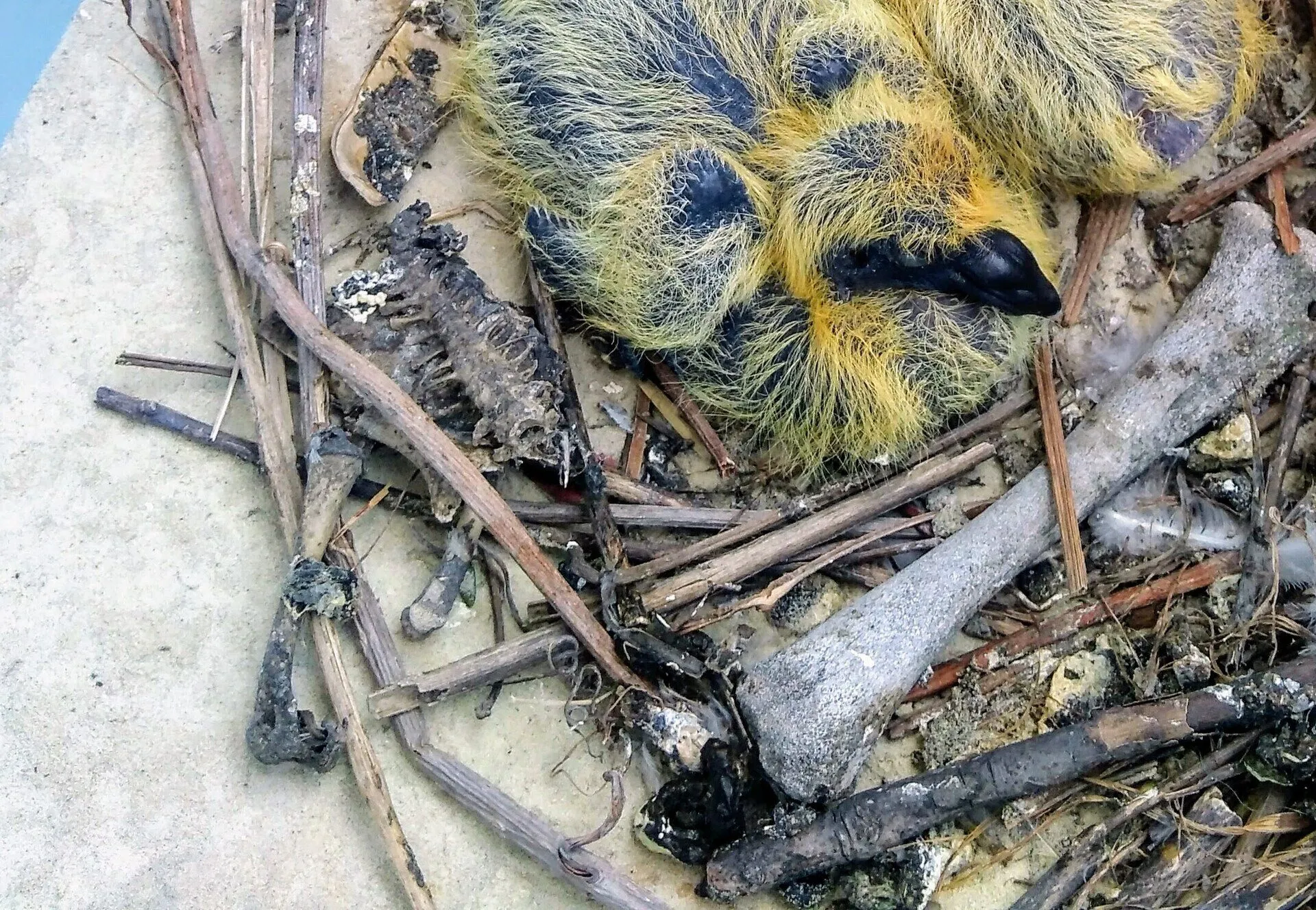

Pigeons, starlings and sparrows cause most bird problems around buildings: droppings on balconies, nests in vents, debris in gutters. All three are introduced species, not protected under the federal migratory birds legislation. Almost every other bird is. The practical rule: identify the bird first, then block access rather than trying to kill.
The species involved
- Rock pigeon: bluish grey with green and purple sheen on the neck. It nests on sheltered ledges, under balconies, in bridge structures and on warehouse roofs, and breeds nearly year-round.
- European starling: iridescent black, speckled with white in winter. It gets into dryer and bathroom vents, soffits and gaps in siding.
- House sparrow: small, brown and grey. It nests in signs, light fixtures and roof openings.
The mourning dove, buff-coloured and slimmer, resembles a pigeon but is a protected native species. Swallows, which nest under eaves, are protected too.
Signs of a problem
- droppings building up on a balcony, ledge, sign or beam;
- twigs and debris coming out of a vent;
- birds going in and out of a soffit or roof opening;
- blocked gutters and drains.
What the law protects
Under the Migratory Birds Regulations, 2022, migratory birds are protected at all times, and it is prohibited to damage, destroy, remove or disturb their nests when they contain a live bird or a viable egg. The nests of 18 species are protected year-round. Rock pigeons, European starlings and house sparrows, as introduced species, are not covered. For any other bird, the only option is to wait for the young to leave, then close the access.
Solutions that last
- Remove food: feeders near the house, scraps, pet food left outside. Several municipalities prohibit feeding pigeons: check your own by-law.
- Netting under a balcony or over a section of structure: the most reliable fix for an apartment balcony.
- Spikes or tensioned wires on ledges, signs and beams where birds land.
- Mesh or a flap on dryer, bathroom and roof vents.
- Seal soffit or roof openings once the nest is empty.
- Clean up droppings after dampening them, with gloves and a mask.
Visual scare devices (plastic owls, tape, balloons) lose their effect within days or weeks.
What it costs
No regional range is published: the price depends on the area to protect, the height and the hardware installed. Netting a balcony and putting spikes on a warehouse cornice have nothing in common. Other published ranges are on the page about pest control prices.
Apartment buildings, warehouses and stores
In a rental or condo building, balconies and the roof are often common areas: see the page on apartment buildings. On a warehouse roof or above a loading dock, droppings raise a hygiene issue, especially where food is stored: see the page on warehouses and industrial buildings.
Keeping birds from coming back
Screen vents before spring, seal soffit openings in the fall and keep balconies clear. A roof opening can also serve bats and squirrels: an inspection should cover every way in.
Frequently asked questions
Is it legal to remove a pigeon nest?
Rock pigeons, European starlings and house sparrows are introduced species that are not protected under the federal migratory birds legislation. Most other birds are: their nests are protected when they contain a live bird or a viable egg. Identify the bird before touching a nest.
Which birds must not be disturbed?
The vast majority of native birds, such as swallows, robins and mourning doves, are migratory birds protected at all times. Their active nests must not be damaged, destroyed or disturbed, and the nests of 18 species are protected year-round. Wait until the young have left, then close the access.
Do plastic owls and reflective tape work?
Not for long. Pigeons quickly get used to an object that does not move. The solutions that last are physical: netting, spikes, tensioned wires or closing the access. Scare devices are only a complement.
Is cleaning pigeon droppings dangerous?
The risk is low for a healthy person, but rare respiratory illnesses are linked to dust from dried droppings, especially in people with weakened immune systems. Dampen droppings before removing them, do not dry-sweep, wear gloves and a mask, and wash your hands afterwards.
Why do pigeons keep coming back to my balcony?
Because they find shelter, a ledge to land on and often food there: seed spilled from a feeder, scraps, pet food. A balcony sheltered by the one above is an ideal nesting site. Removing food and installing netting solves most cases.
Who deals with pigeons in a building or business?
In a condo or rental building, balconies and the roof are often common areas: the work has to be coordinated by the condo board or the landlord. In a warehouse or store, birds also raise a hygiene issue that should be documented.
Next steps
Official sources
The legal texts and government pages cited on this page. Always check them for the current version.
Updated