Bats in the attic: exclusion is the only method allowed
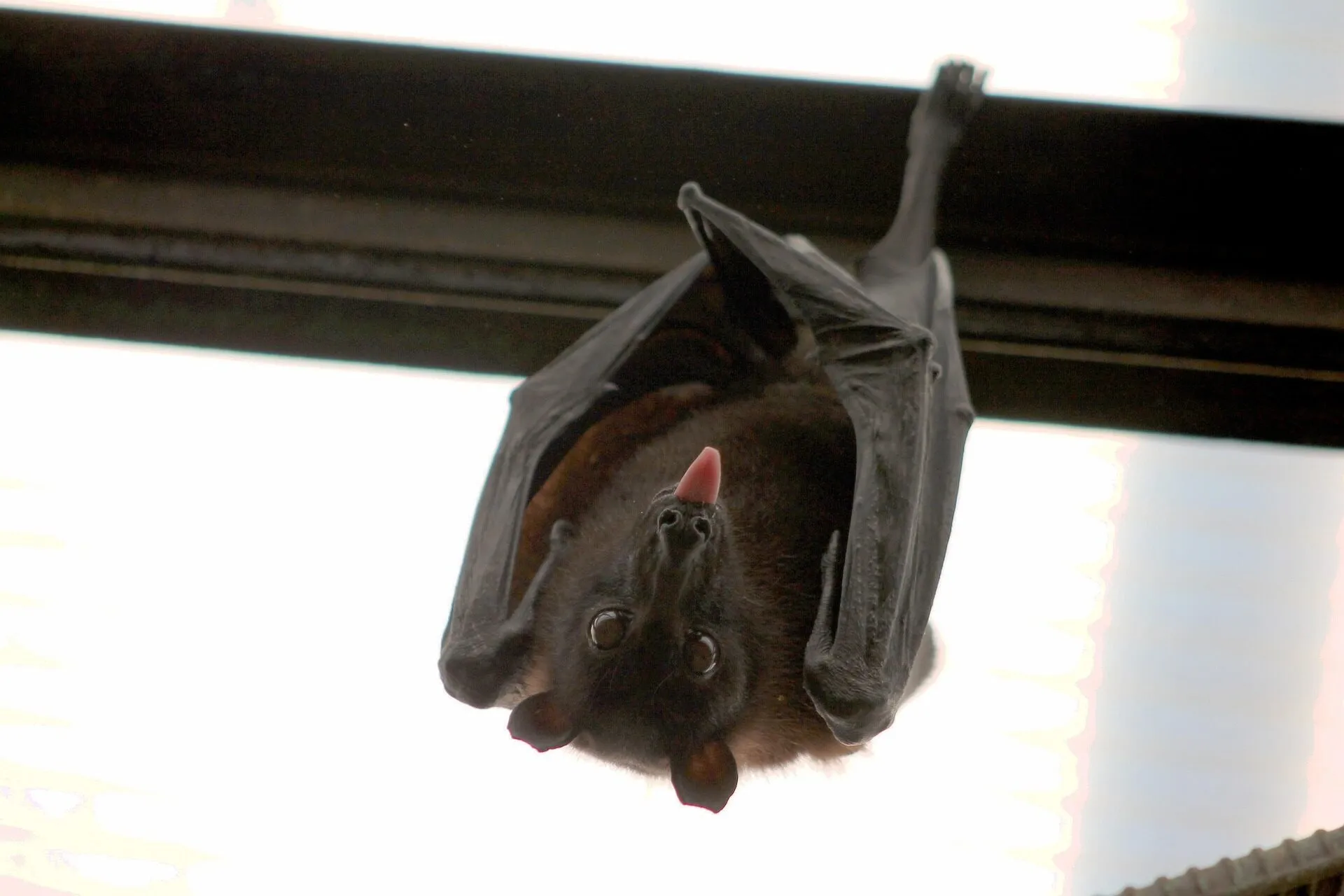
Bats in the attic are not exterminated: bats are protected in Québec, and the little brown bat is designated threatened. The only solution is exclusion, which means letting the colony leave and sealing the entries behind it at the right time of year. And if there was any contact with a person, the first call is to Info-Santé 811.
The two species found in buildings
Two species use houses in the region:
- Big brown bat: 9.6 to 13.4 cm long with a 32 to 39 cm wingspan. It forms maternity colonies in buildings in summer and tolerates temperature swings well enough to sometimes spend the winter inside a home.
- Little brown bat: 7.9 to 9.7 cm long, 22 to 27 cm wingspan, 7 to 14 g. Its maternity colonies can hold hundreds of females. It winters in mines and caves, not in houses.
Signs of a colony
- small, black, crumbly droppings under an opening, which fall apart between your fingers, unlike mouse droppings;
- brown stains around a gap in the soffit, siding or ridge;
- faint scratching and high squeaks at dusk;
- bats leaving in a line at sunset in summer.
Why they are protected
Since white-nose syndrome, a fungal disease, reached Québec in 2010, little brown bat populations have dropped by 78% to 100% depending on the site, and big brown bat populations by more than 41%. A little brown bat can catch up to 600 insects in an hour. A colony in the attic is a problem to solve, but not by destroying it.
What is allowed, and when
- No pesticides, no traps: no product or trap is registered against bats, and glue traps are prohibited.
- Exclusion between October and May, the period the Québec government recommends. From mid-June into summer, pups cannot fly yet: sealing entries dooms them.
- Never with bare hands: alive or dead.
Exclusion, step by step
- Watch at dusk to spot every active exit.
- Inspect the roof and soffits for other gaps, even unused ones.
- Seal the unused openings.
- Install one-way devices on the active exits: bats leave to feed and cannot get back in.
- Confirm no bats are still coming out, then remove the devices and seal for good.
- Clean up guano with a mask and gloves once the colony is gone.
What it costs
A price study for Montreal and surrounding areas puts bat exclusion at $150 to $1,500, with a median of $250 and an average of $505. The spread comes from the number of gaps to seal, the height and the guano cleanup. See also the page on extermination costs.
Contact with a bat: the protocol
Every bat species is considered high-risk for rabies throughout Québec, and a bite can be invisible. Call Info-Santé 811:
- if a bat touched, bit or scratched you;
- if a bat was found in a room where someone was sleeping, a young child, or anyone who cannot say whether they were touched.
First wash exposed skin with soap and water for 10 to 15 minutes. If you can, and without touching it, keep the bat under a container: 811 will tell you what to do with it. With no possible contact, simply open a window, close the door and turn off the lights.
Preventing a new colony
Have soffits, the ridge and siding joints inspected in the fall, after colonies have left. A gap of a few millimetres is enough for a little brown bat. Homes near the water, along the Richelieu in Chambly or in Saint-Jean-sur-Richelieu, sit right in their feeding grounds. Roof gaps also serve squirrels: an inspection should cover both.
Frequently asked questions
Can bats be exterminated?
No. Bats are protected species in Québec, and the little brown bat is designated threatened. No pesticide or trap is registered for use against them, and glue traps are prohibited. The only method is exclusion: let them leave and keep them from getting back in.
When can a colony be removed from the attic?
The Québec government recommends doing it between October and May. In summer, pups are born and cannot fly yet: little brown bats give birth from mid-June to early July and nurse for 3 to 4 weeks. Sealing the entries then traps the pups inside.
There is a bat in my bedroom. What do I do?
Do not touch it with bare hands. If nobody could have had contact with it, close the bedroom door, open a window and turn off the lights: it will usually leave on its own. If someone was sleeping in the room, or there was any contact, call Info-Santé 811 before letting the bat go.
Why call Info-Santé 811 after contact?
Because every bat species is considered high-risk for rabies in every region of Québec, and their teeth and claws are so small that a bite can go unnoticed. Wash exposed skin with soap and water for 10 to 15 minutes, then call 811, which will assess whether vaccination is needed.
Why is there a bat in the house in winter?
The big brown bat tolerates temperature swings better than other species and can spend the winter inside a home. A thaw or the heating wakes it, and it wanders into living spaces. It means there is an entry in the attic or walls, which should be closed in spring or fall.
Is bat guano dangerous?
A large build-up in a closed attic calls for precautions: do not sweep it dry, wear a suitable mask and gloves. Cleanup happens after exclusion, once the colony is gone.
Next steps
Other nuisance wildlife
Official sources
The legal texts and government pages cited on this page. Always check them for the current version.
Updated