Mosquitoes in the yard: get rid of standing water first
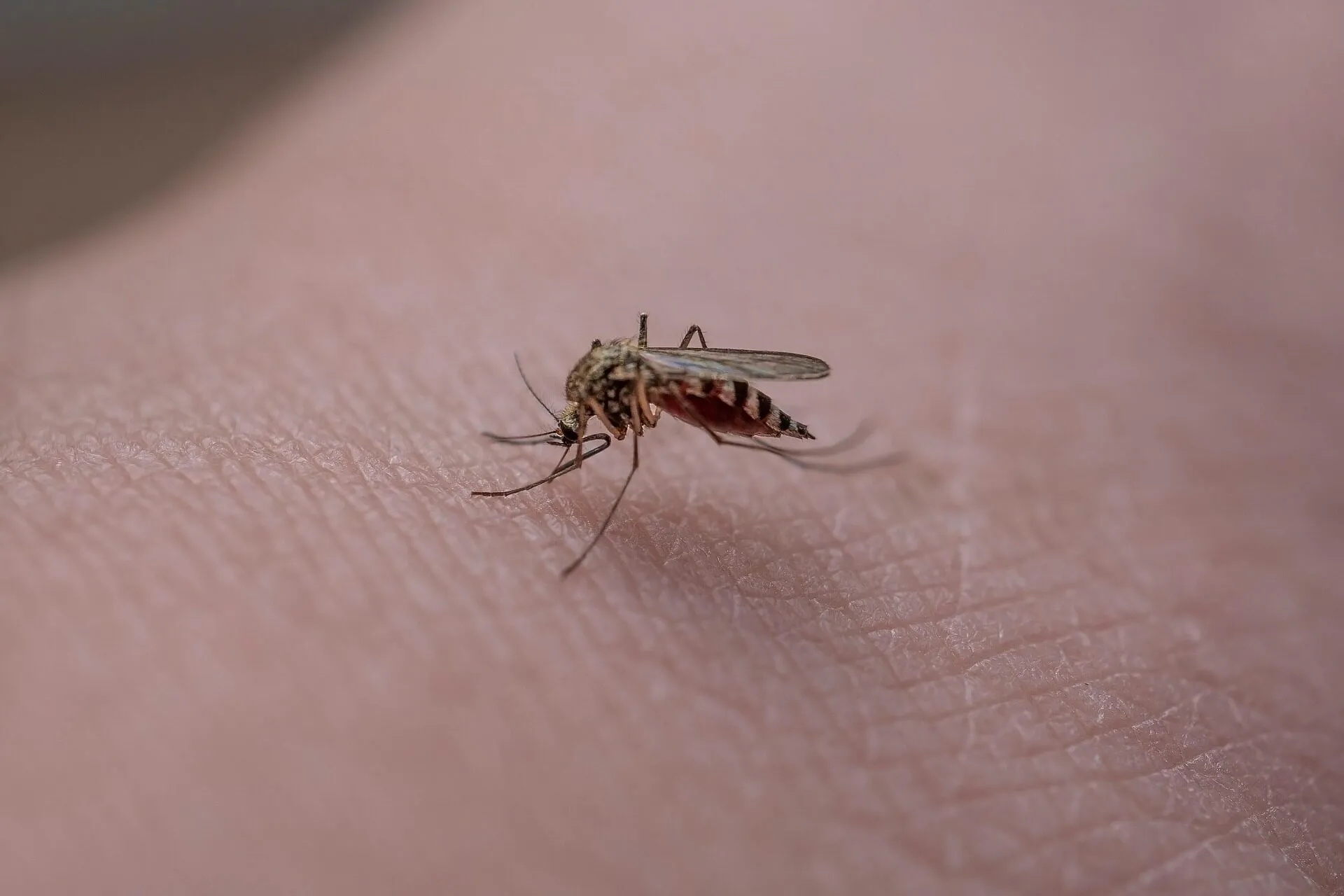
The best way to cut mosquitoes in a yard is not a product: it is removing the standing water where they lay eggs. A forgotten birdbath or a clogged gutter is enough to produce a new generation within one or two weeks. On the South Shore, properties near the Richelieu, the St. Lawrence or the Châteauguay River see more of them, but many of the mosquitoes in a yard hatch on that property or next door.
Identifying mosquitoes
Mosquitoes measure 3 to 6 mm, with long thin legs and elongated mouthparts. Only females bite: they need blood to produce eggs. Two insects look similar but do not bite: the crane fly, much larger, and the midge, which swarms above water.
The life cycle, and why water matters
- The female lays eggs on standing water or on ground that will flood.
- Larvae live in the water and breathe at the surface.
- They become pupae, then adults, within one to two weeks in warm weather.
Breaking the cycle means emptying the water before adults emerge. Once a week is enough.
Where to look for standing water
- plant saucers and birdbaths;
- toys, wheelbarrows, tires, tarps;
- pool covers and neglected pools;
- clogged gutters and poorly directed downspouts;
- rain barrels without a screen;
- low spots where water sits after rain.
Why act
Bites are mostly a nuisance, but West Nile virus is monitored every summer in Québec, mainly in the south of the province. Most infected people have no symptoms; severe cases occur, especially in older adults. The protection is the same: fewer breeding sites, fewer bites.
What professional treatment can do
A yard treatment targets adult mosquitoes resting in shady vegetation: hedges, shrubs, under decks. It reduces their numbers for a few weeks, for example before a backyard party. It fixes nothing if standing water remains. Pesticides applied on residential property are regulated by the Pesticides Management Code and often by a municipal by-law, and the applicator must hold a CD5 certificate from the Environment ministry. Ask which product will be used, near which plants, and how long to keep children, pets and pollinators away.
What it costs
No regional range is published for mosquitoes: treatments are sold by the season and by yard size. Properties near water usually need more than one application. See published ranges for other pests on the page about pest control prices.
Protecting yourself
- Repair door and window screens.
- Use a repellent registered by Health Canada, containing DEET or icaridin, following the label.
- Wear long, light-coloured clothing at dusk and dawn.
- Put a fan on the deck: mosquitoes fly poorly in moving air.
Homeowners along the Richelieu, in Beloeil or Chambly, know the problem well. The same damp yard also shelters ticks at the edge of the woods: see their page for yard changes that reduce both. And if it is small flies circling the sink instead, see the page on flies.
Frequently asked questions
Where do mosquitoes breed on my property?
In standing water, even small amounts: plant saucers, birdbaths, tires, toys, pool covers, clogged gutters, rain barrels without a tight lid. Empty or cover these at least once a week.
Do ultrasonic devices or bug zappers work?
Ultrasonic devices have no demonstrated effect. Electric bug zappers mostly kill insects other than mosquitoes. You are better off removing breeding sites, fixing screens and using a registered repellent on your skin.
Which repellent should I use?
Pick a product registered by Health Canada, such as those containing DEET or icaridin, and follow the label, especially for children. Long, light-coloured clothing also helps at dusk.
Is West Nile virus present on the South Shore?
West Nile virus is monitored every summer in Québec, mainly in the southern part of the province. Most infected people have no symptoms, but severe cases occur, especially in older adults. The protective measures are the same as against bites.
Is a yard treatment worth it?
It can cut adult mosquitoes for a few weeks, especially before an event in the yard. Without removing standing water, the effect is short. Pesticide use on residential property is regulated by the Pesticides Management Code and often by a municipal by-law: ask which product will be used.
Why are some years worse than others?
Rainy springs and hot, humid summers multiply breeding sites and speed up larval development. Properties near a river, ditch or wetland also see more.
Next steps
Updated