The ban on relocating raccoons and skunks: what it means for your home
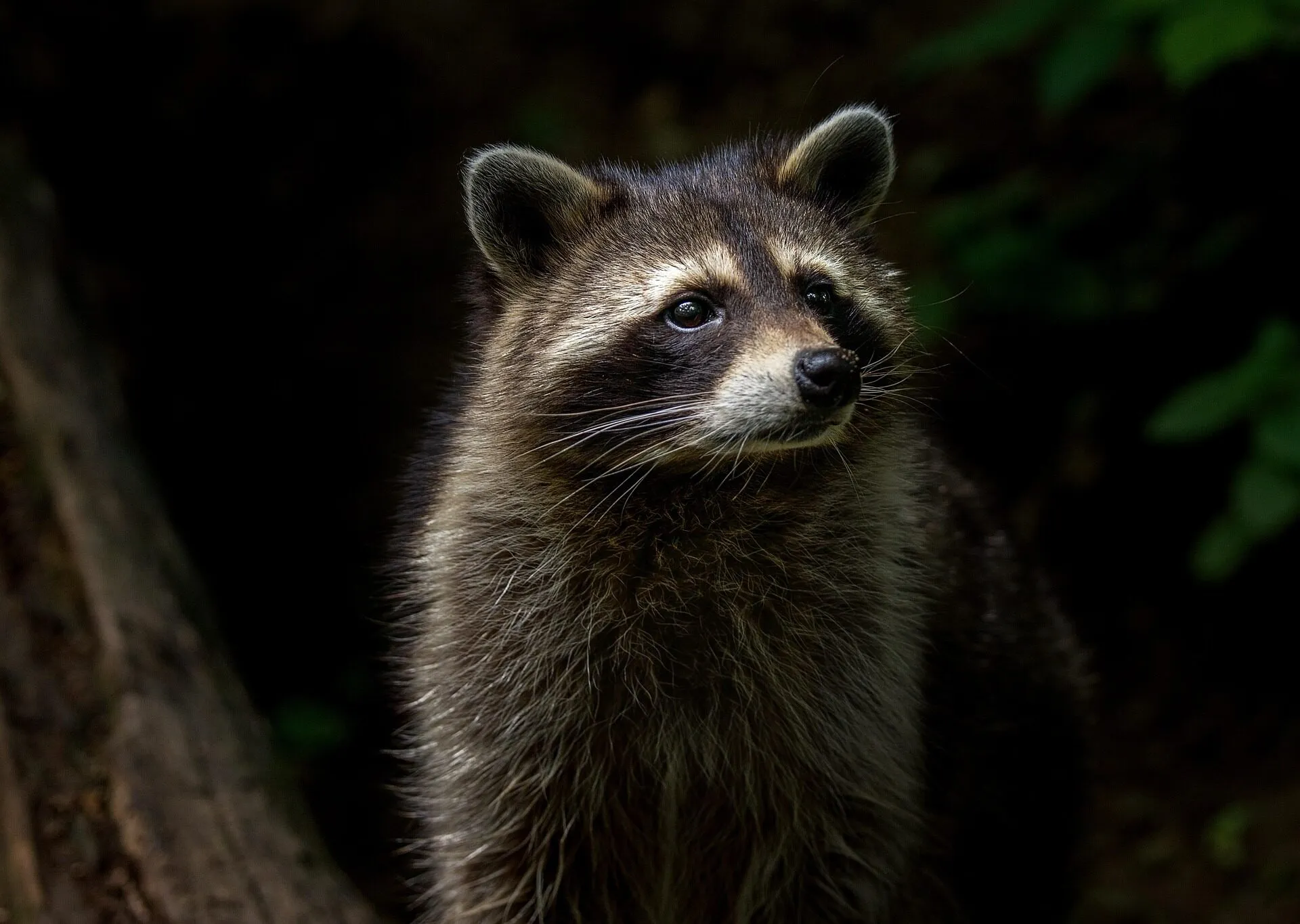
No, you can no longer trap a raccoon or skunk and release it somewhere else. Because of raccoon rabies, the Québec government prohibits moving or relocating these animals alive in most municipalities of Estrie and Montérégie, and every South Shore town this site covers is on the list. The fix now is scaring the animal off and closing the way in.
What the rule says
According to the list published by the Québec government, it is prohibited to move or relocate the following animals when alive:
- raccoons;
- striped skunks;
- grey and red foxes;
- coyotes and their hybrids.
The ban covers the municipalities surrounding known cases of raccoon rabies. It has been in place since June 2025, applies no matter how short the distance, and is maintained until October 6, 2026, with a note that it could be extended. Check the current version of the list on Québec.ca before acting.
South Shore towns covered
Every town this site serves appears on the list as consulted on September 16, 2026:
| Zone | Towns |
|---|---|
| Longueuil agglomeration | Longueuil (including Saint-Hubert), Brossard, Saint-Lambert, Boucherville, Saint-Bruno-de-Montarville |
| Marguerite-D’Youville | Sainte-Julie, Varennes |
| Vallée-du-Richelieu | Chambly, Beloeil |
| Haut-Richelieu | Saint-Jean-sur-Richelieu |
| Roussillon | La Prairie, Candiac, Saint-Constant, Châteauguay |
| Haute-Yamaska (Estrie) | Granby |
Why the ban exists
Rabies is fatal to all mammals, humans included. A relocated raccoon or skunk can carry the virus into an area where it was not present. In July 2026, the ministry announced it was adding 34 municipalities to its enhanced surveillance zone, 25 of them in Montérégie, and continuing vaccination through trapping and vaccine bait distribution.
There is also a practical reason the government has stressed for years: a relocated animal is quickly replaced by another if food and shelter remain available. Moving the animal never fixed an open attic.
What you can do instead
Québec’s Act respecting the conservation and development of wildlife first requires you to scare the animal off or stop it from causing damage. In practice:
- Make the den uncomfortable: light, a radio, an ammonia-soaked rag near the entry, for a few days.
- Check for young: raccoon kits are born in April or May, skunk kits around late May. Closing an entry then traps a litter.
- Install a one-way door on the entry once the family can leave.
- Close the entry for good: chimney cap or mesh, metal mesh buried under the deck or shed, soffit repair.
- Remove the attraction: closed garbage and compost, pet food brought in, branches trimmed back from the roof.
What if the animal is already trapped?
When it was impossible to scare the animal off or stop the damage, the Québec government allows two options for a trapped raccoon, skunk, fox or coyote:
- release it on site, outside the building, once the entry is closed;
- kill it, as a last resort.
No permit is required in that context. A municipal by-law may still restrict firearms, and handling an animal that could carry rabies takes equipment and precautions: that is often where a professional is worth it.
What it changes for a quote
If you ask for a quote for a raccoon or skunk on the South Shore, be wary of an offer to “trap and relocate”. A serious quote should instead describe:
- inspecting entries and checking for young;
- the scare-off method or one-way door;
- closing the entries for good, with materials listed;
- what happens to the animal if it is trapped, in line with current rules.
Published ranges for the region are on the pricing page.
Bites, scratches or animals acting strangely
- Bite, scratch or contact with saliva: wash the wound with soap and water for 10 to 15 minutes and call Info-Santé 811.
- A dead raccoon, skunk or fox, or one that seems disoriented, injured, aggressive or paralyzed: report it to the ministry by the phone line or online form listed on Québec.ca. Do not touch it with bare hands.
- Pets: keep your dogs’ and cats’ vaccinations current.
Going further
Details for each animal are on the pages about raccoons and skunks. Squirrels and groundhogs are not covered by the ban, but the same exclusion logic applies: see the pages about squirrels and groundhogs.