Scratching in the wall: identify the animal, then act without sealing it in
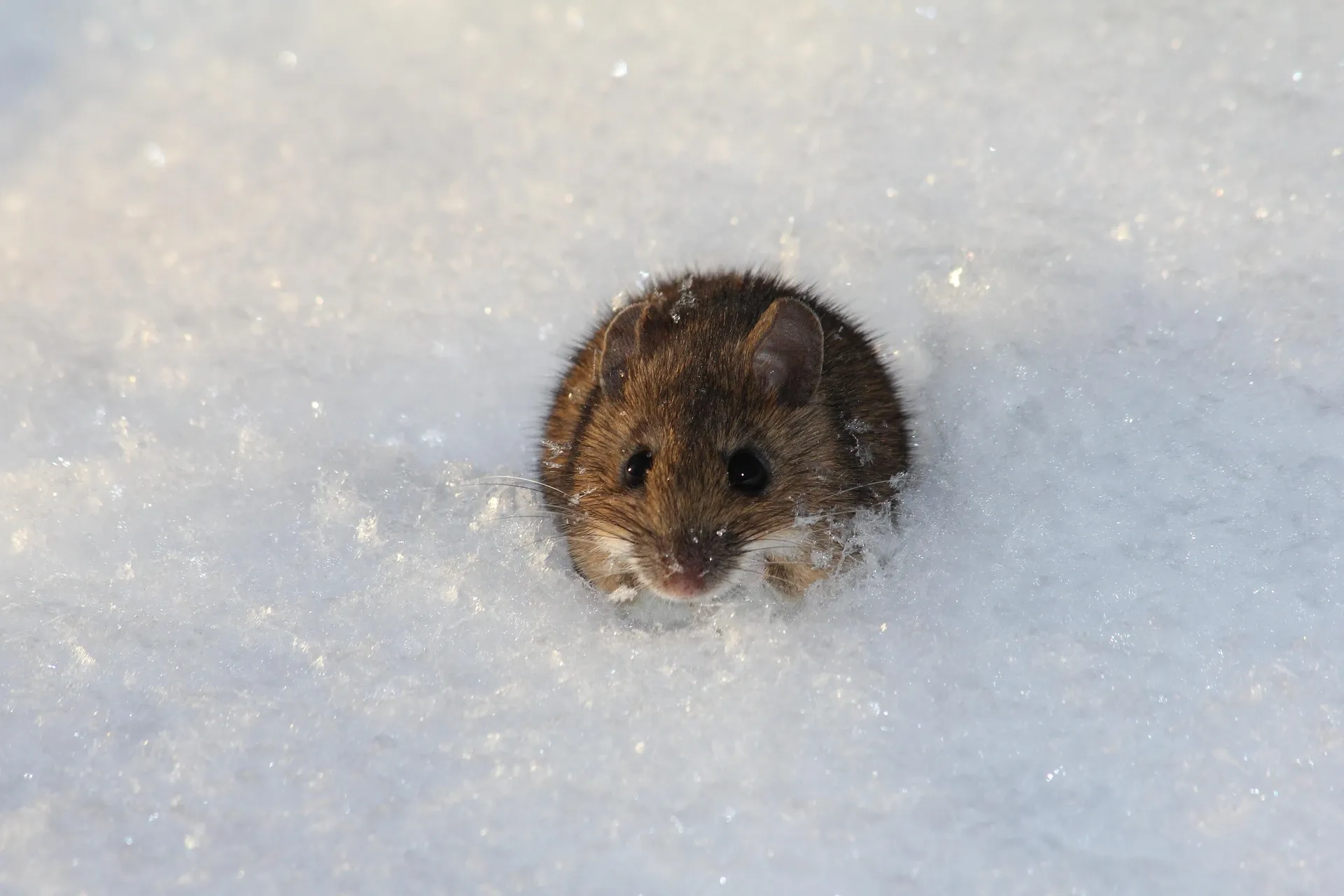
Light scratching inside a wall, in the evening or at night, in the fall: on the South Shore, it is most often a mouse. The trouble is that you cannot see it. It is in a cavity you cannot open, and the temptation is to deal with it fast, with poison or foam in the first hole you find. Those are the two moves that make things worse.
Who is in the wall?
The time and the kind of noise say a lot:
| What you hear | When | Probably |
|---|---|---|
| Light scratching, small pattering | mostly at night | mouse |
| Clear running, things rolling, in the ceiling or attic | early morning and late afternoon | squirrel |
| Heavy thumps, footsteps, in the attic | at night | raccoon |
The University of California integrated pest management guide to the house mouse confirms it: mice are most active at night, even if you may see them by day. A noise that starts at sunrise rarely comes from one.
The nest is close by
The same guide notes that house mice seldom venture more than about 30 feet, roughly 9 metres, from their nest and food. If you hear one in the kitchen wall, the nest is in that wall, under the next cabinet or in the basement just below, not at the other end of the house. That is where to look for droppings, gnaw marks and runways.
Where to set traps
You do not trap a mouse inside the wall; you trap it where it comes out.
- Against the wall, at floor level: mice run along walls and should pass directly over the trigger.
- Near likely exits: under cabinets, behind the stove, where a pipe comes through, a loose baseboard.
- Several traps, close together: the University of California guide recommends spacing them no more than about 10 feet, roughly 3 metres, apart.
Check them every morning. Traps that catch nothing for a week are in the wrong place, or the animal is not a mouse.
Why no poison in a wall
A rodenticide does not kill on the spot: it takes several days, and the mouse often dies inside the building, sometimes in the very cavity it lives in. The result can be an odour that lasts for weeks in a wall you cannot open without taking it apart. The University of California guide lists avoiding dead-mouse odours as an advantage of trapping. If poison is used, it belongs in locked bait stations out of reach of children and pets, applied by someone holding a CD5 certificate.
Close the entry, but at the right time
The mouse got in through an opening of barely 6 mm, a quarter of an inch. Finding it happens outside: pipe and wire penetrations, the bottom of the siding, the joint between foundation and sill plate, the garage door.
- No expanding foam or plastic on their own: the guide lists them among materials mice chew through.
- Steel wool works in a pinch but rusts over time; pair it with a sealant, or use metal mesh or sheet metal.
- Do not block a squirrel’s entry while it is inside: a trapped animal damages the interior trying to get out. For mice, closing the entry while trapping inside stops new ones from arriving.
If the scratching continues after two weeks of trapping, or the entry is high up, see mouse control on the South Shore for the process and prices.